Expressing Buddhist concepts and imagery through emojis can be a subtle yet powerful way to convey peace, mindfulness, and spiritual connection. This guide explores the various emojis that can be used to represent different aspects of Buddhism, from symbols like the Dharma wheel and lotus flower to depictions of meditation and enlightenment. Understanding the nuances of these emojis allows for more meaningful and respectful communication about Buddhist philosophy and practice. Whether you're sharing a quote from the Buddha, inviting someone to a meditation session, or simply expressing your own inner peace, these emojis can add depth and visual appeal to your messages.
When using emojis related to Buddhism, it's important to be mindful of their cultural significance and avoid using them in a way that could be considered disrespectful or appropriative. For example, the Buddha emoji should be used with reverence and not in a casual or flippant manner. Similarly, the lotus flower emoji, which symbolizes purity and enlightenment, should be used in contexts that align with its spiritual meaning. By using these emojis thoughtfully and respectfully, you can enhance your communication and promote a deeper understanding of Buddhist principles. Remember that emoji rendering can vary across platforms, so it's always a good idea to double-check how your message appears on different devices to ensure that your intended meaning is conveyed accurately.
Beyond the specific symbols and figures, emojis representing peace, tranquility, and nature can also be used to evoke the essence of Buddhism. Consider using emojis like the dove, the peace sign, or images of serene landscapes to create a sense of calm and mindfulness in your messages. Ultimately, the best way to use Buddhism-related emojis is to do so with intention and awareness, allowing them to serve as a visual reminder of the values and principles that guide your spiritual journey.
16+Emoji
8Messages
5Tips
⚡
Quick Copy
Copy most popular emojis with one click
☸️
Dharma Wheel
🪷
Lotus
🧘
Person in Lotus Position
☮️
Peace Symbol
🕊️
Dove
🕉️
Om Symbol
🙏
Folded Hands
🪴
Potted Plant
🌄
Sunrise Over Mountains
🧪 Emoji Mashups (Emoji Kitchen)
Fun mashups created by combining Buddhism emojis with Emoji Kitchen. Download and use them freely.
Help grow the Buddhism collection! Suggest emojis or symbols you think are missing and contribute to the community.
💡 Missing an emoji/symbol?
📖
Meaning & Usage
☸️
Dharma Wheel
Represents the teachings of the Buddha and the path to enlightenment. It's a central symbol in Buddhism, signifying the Eightfold Path. On some platforms, it may appear as a simple wheel, while others show a more detailed design.
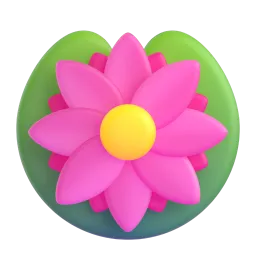
🪷
Lotus
Symbolizes purity, enlightenment, and rebirth. The lotus flower grows from muddy waters, representing the ability to rise above suffering. The appearance varies slightly across platforms, but the core symbolism remains consistent.
🧘
Person in Lotus Position
Represents meditation and mindfulness. This emoji depicts a person sitting in a meditative posture, often associated with yoga and Buddhist practices. The gender and skin tone can be customized on many platforms.
☮️
Peace Symbol
A universal symbol of peace, often associated with non-violence and harmony, which are central tenets of Buddhism. It's widely recognized and used across different cultures and platforms.
🙏
Folded Hands
Can represent prayer, gratitude, or respect. In a Buddhist context, it often signifies reverence and bowing. The meaning can vary depending on the cultural context, but it generally conveys a sense of humility and respect.
🕉️
Om Symbol
Represents the sacred sound and spiritual icon in Hinduism and Buddhism. It's often used in meditation and chanting. The visual representation is consistent across most platforms.
📱
Platform Appearances
☸️ Dharma Wheel
Google NotoApache 2.0
Twitter/XCC-BY 4.0
OpenMojiCC BY-SA 4.0
🪷 Lotus
Google NotoApache 2.0
Twitter/XCC-BY 4.0
Noto AnimatedApache 2.0
Fluent 3DMIT
OpenMojiCC BY-SA 4.0
🧘 Person in Lotus Position
Google NotoApache 2.0
Twitter/XCC-BY 4.0
Fluent 3DMIT
OpenMojiCC BY-SA 4.0
☮️ Peace Symbol
Google NotoApache 2.0
Twitter/XCC-BY 4.0
Noto AnimatedApache 2.0
OpenMojiCC BY-SA 4.0
🕊️ Dove
Google NotoApache 2.0
Twitter/XCC-BY 4.0
Noto AnimatedApache 2.0
OpenMojiCC BY-SA 4.0
🕉️ Om Symbol
Google NotoApache 2.0
Twitter/XCC-BY 4.0
OpenMojiCC BY-SA 4.0
ℹ️ All images shown are from open-licensed sources (Apache 2.0, MIT, CC-BY 4.0, CC BY-SA 4.0) and are free to use.
💬
Ready Messages
Copy and share
Starting my day with meditation 🧘 and gratitude 🙏. Wishing everyone peace and clarity. ☮️
Embracing the teachings of the Dharma ☸️ and striving for enlightenment. 🪷
Finding inner peace through mindfulness and compassion. 🕊️
Sending positive vibes and wishing you a day filled with tranquility. 🪴🌄
May your journey be filled with wisdom and understanding. 🕉️
Taking a moment to appreciate the beauty of the present moment. 🪷
Cultivating kindness and compassion in all that I do. 🙏
Letting go of negativity and embracing inner peace. 🧘☮️
🎨
Related Emojis
🧘
Meditation
☸️
Symbols
🪷
Nature
☮️
Peace
🙏
Respect
🕉️
Spirituality
🪴
Mindfulness
💡
Usage Tips
🎯
Context is Key
Always consider the context of your message when using Buddhism-related emojis. Ensure that your usage is respectful and appropriate for the situation.
🎯
Platform Variations
Be aware that emojis can appear differently across platforms (Apple, Google, Samsung, etc.). Test your messages to ensure they display as intended.
🎯
Combine with Words
Use emojis to enhance your message, not replace it. Combine them with words to provide clarity and avoid misinterpretations.
🎯
Use Sparingly
Avoid overusing emojis, as it can dilute their impact. Choose a few relevant emojis that effectively convey your message.
🎯
Cultural Sensitivity
Be mindful of the cultural significance of these emojis and avoid using them in a way that could be considered offensive or appropriative.
🔗
Similar Combinations
Discover more emoji combinations related to Buddhism