🛑
Stop Sign
Represents a clear and firm boundary. It indicates that something needs to cease immediately. Use it to halt unwanted actions or conversations.
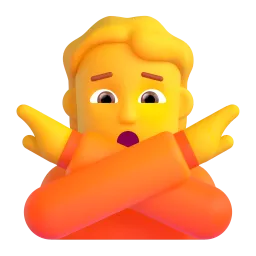
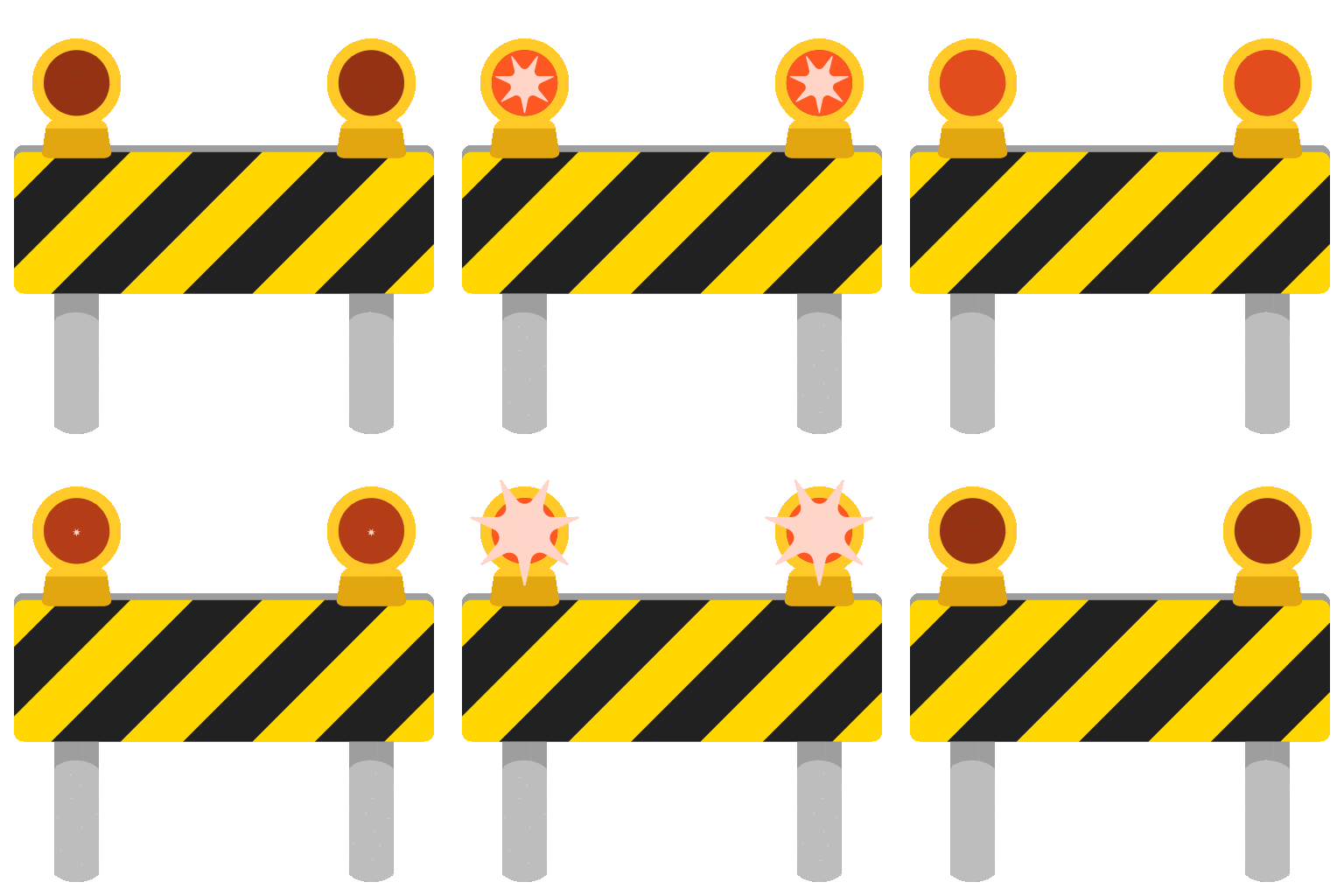
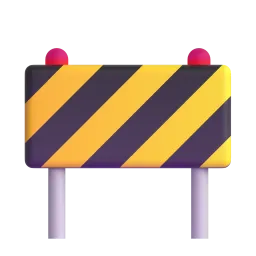
Boundaries are essential for healthy relationships and personal well-being. They define limits, protect personal space, and communicate needs. Emojis can be a subtle yet effective way to express, reinforce, or acknowledge boundaries in digital communication. Whether it's setting limits in a group chat, indicating unavailability, or simply expressing the need for personal space, emojis can add nuance and clarity to boundary-related conversations. Understanding the subtle cues and interpretations of these emojis across different platforms is key to effective communication. When using emojis to communicate boundaries, consider the context and your audience. A simple 🛑 (Stop Sign) might be appropriate in a professional setting to halt a specific action, while a 🙅 (Person Gesturing No) could be used more casually with friends to decline an invitation. The 🚧 (Construction Sign) can metaphorically represent a situation where boundaries are being established or renegotiated. Be mindful of cultural differences, as the interpretation of emojis can vary across cultures. For example, a seemingly harmless emoji might be perceived differently in another cultural context. Always strive for clarity and avoid ambiguity when using emojis to express boundaries, especially in sensitive or important conversations. Using a combination of text and emojis can help ensure your message is understood as intended.
Copy most popular emojis with one click
Fun mashups created by combining Boundary emojis with Emoji Kitchen. Download and use them freely.


Help grow the Boundary collection! Suggest emojis or symbols you think are missing and contribute to the community.
💡 Missing an emoji/symbol?
Represents a clear and firm boundary. It indicates that something needs to cease immediately. Use it to halt unwanted actions or conversations.
A versatile emoji for declining invitations, refusing requests, or setting personal limits. It's a direct way to say 'no' without being overly aggressive. Different platforms show slight variations in the person's appearance.
Symbolizes a situation where boundaries are being established or renegotiated. It can also mean 'work in progress' regarding personal limits. On some platforms, it appears more like a road work sign.
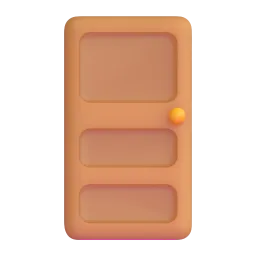
Can represent closing off communication or needing personal space. It signifies a temporary or permanent withdrawal from a situation. The design varies significantly across platforms, from simple wooden doors to modern glass doors.
Indicates privacy and protection of personal information or emotional space. It can be used to signify that something is off-limits. The visual representation is consistent across most platforms.
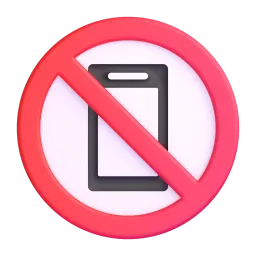
Represents a boundary against digital distractions or interruptions. It can be used to signal unavailability or the need for focused attention. Often seen in theaters or quiet zones.


 Noto Animated
Apache 2.0
Noto Animated
Apache 2.0





 Noto Animated
Apache 2.0
Noto Animated
Apache 2.0




 Noto Animated
Apache 2.0
Noto Animated
Apache 2.0




ℹ️ All images shown are from open-licensed sources (Apache 2.0, MIT, CC-BY 4.0, CC BY-SA 4.0) and are free to use.
Copy and share
Use emojis in conjunction with text to avoid misinterpretations. Emojis can add nuance, but they shouldn't be the sole means of communication, especially when setting important boundaries.
Be mindful of the relationship and context when using boundary-related emojis. A formal setting might require more direct and less ambiguous emojis.
Be aware that emojis can appear differently across platforms (Apple, Google, Samsung, etc.). Test how your message looks on different devices to ensure clarity.
Understand that emoji interpretations can vary across cultures. Research potential cultural differences before using emojis to express boundaries with people from different backgrounds.
Overusing boundary-related emojis can make you seem overly defensive or negative. Use them judiciously and only when necessary.
This content was created with AI technology, enriched with Unicode Consortium data and community contributions. AI Disclosure →