Artifact emojis represent objects from the past, often with historical or cultural significance. These emojis can be used to depict museums, archaeology, history lessons, or simply a fascination with bygone eras. They evoke a sense of discovery, preservation, and connection to our ancestors. The specific artifact emojis available vary across platforms, but common themes include ancient tools, pottery, sculptures, and architectural remnants. Using these emojis can add depth and context to conversations about history, culture, and the passage of time. They can also be used humorously to refer to outdated technology or ideas.
When using artifact emojis, consider the specific context and audience. A sarcophagus emoji might be appropriate for a discussion about ancient Egypt, while a floppy disk emoji could be used to jokingly reference obsolete technology. Be mindful of cultural sensitivities when depicting artifacts from different civilizations. Some artifacts may have religious or spiritual significance, and it's important to use them respectfully. Combining artifact emojis with other emojis can create more nuanced meanings. For example, pairing a museum emoji with a thinking face emoji could represent a thoughtful visit to a museum. The key is to use these emojis creatively and thoughtfully to enhance your communication and evoke a sense of history and wonder.
14+Emoji
8Messages
5Tips
⚡
Quick Copy
Copy most popular emojis with one click
🏺
Amphora
🗿
Moai
🏛️
Classical Building
🧱
Brick
📜
Scroll
🗝️
Key
🧭
Compass
🏺
Amphora
🧪 Emoji Mashups (Emoji Kitchen)
Fun mashups created by combining Artifacts emojis with Emoji Kitchen. Download and use them freely.
Help grow the Artifacts collection! Suggest emojis or symbols you think are missing and contribute to the community.
💡 Missing an emoji/symbol?
📖
Meaning & Usage
🏺
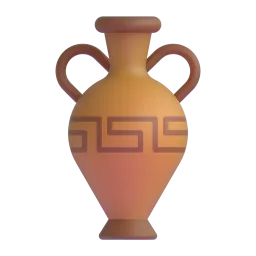
Amphora Emoji
Represents an ancient Greek or Roman jar, often used for storing wine or oil. It can symbolize history, archaeology, or classical culture. Appearance varies slightly across platforms, but the basic shape remains consistent.
🗿
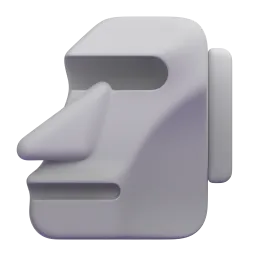
Moai Emoji
Depicts the famous stone statues of Easter Island. It often represents mystery, ancient civilizations, or the island itself. The design is generally consistent across platforms, though the shading and detail may differ.
🏛️
Classical Building Emoji
Represents a building in the style of ancient Greece or Rome, often with columns. It can symbolize history, architecture, or government. Some platforms show a more detailed building than others.
📜
Scroll Emoji
Represents a rolled-up document, often made of parchment or papyrus. It symbolizes history, knowledge, or official records. The level of detail and the color of the scroll vary across platforms.
🗝️
Key Emoji
Represents a key, often an antique or ornate design. It can symbolize secrets, access, or unlocking something. The style of the key varies significantly across platforms, from simple metal keys to more elaborate designs.
🧭
Compass Emoji
Represents a navigational compass. It symbolizes direction, exploration, or guidance. The design is generally consistent, showing a compass with a needle pointing north.
📱
Platform Appearances
🏺 Amphora
Google NotoApache 2.0
Twitter/XCC-BY 4.0
Fluent 3DMIT
OpenMojiCC BY-SA 4.0
🗿 Moai
Google NotoApache 2.0
Twitter/XCC-BY 4.0
Noto AnimatedApache 2.0
Fluent 3DMIT
OpenMojiCC BY-SA 4.0
🏛️ Classical Building
Google NotoApache 2.0
Twitter/XCC-BY 4.0
OpenMojiCC BY-SA 4.0
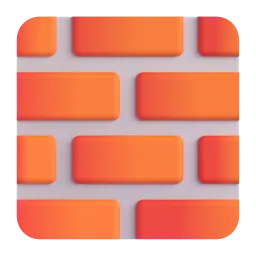
🧱 Brick
Google NotoApache 2.0
Twitter/XCC-BY 4.0
Fluent 3DMIT
OpenMojiCC BY-SA 4.0
📜 Scroll
Google NotoApache 2.0
Twitter/XCC-BY 4.0
Fluent 3DMIT
OpenMojiCC BY-SA 4.0
🗝️ Key
Google NotoApache 2.0
Twitter/XCC-BY 4.0
OpenMojiCC BY-SA 4.0
ℹ️ All images shown are from open-licensed sources (Apache 2.0, MIT, CC-BY 4.0, CC BY-SA 4.0) and are free to use.
💬
Ready Messages
Copy and share
Visiting the museum today! 🏛️ So excited to see the ancient artifacts. 🏺
Just learned about the Moai statues in history class. 🗿 They're so fascinating!
Found this old key in my attic! 🗝️ Wonder what it unlocks...
Lost in the city, need a 🧭 to find my way back!
Reading an ancient scroll. 📜 So much history!
That building looks like it came straight out of ancient Rome! 🏛️
Unearthing history one artifact at a time! 🏺🗿📜
Time to explore the past! 🏛️🏺🧭
🎨
Related Emojis
🏺
Ancient Pottery
🗿
Sculptures
🏛️
Architecture
📜
Documents
🗝️
Tools
🧭
Navigation
💡
Usage Tips
🎯
Context is Key
Consider the context when using artifact emojis. A sarcophagus emoji might be appropriate for discussing ancient Egypt, but not for a casual conversation.
🎯
Platform Variations
Be aware that artifact emojis can look different across platforms. Test your messages to ensure they appear as intended on different devices.
🎯
Combine with Other Emojis
Combine artifact emojis with other emojis to create more nuanced meanings. For example, use a museum emoji with a thinking face emoji to represent a thoughtful visit.
🎯
Cultural Sensitivity
Be mindful of cultural sensitivities when depicting artifacts from different civilizations. Some artifacts may have religious or spiritual significance.
🎯
Humorous Use
Use artifact emojis humorously to refer to outdated technology or ideas. A floppy disk emoji can be a funny way to talk about old computers.
🔗
Similar Combinations
Discover more emoji combinations related to Artifacts