Express yourself with emojis related to Tunisia! This North African country boasts a rich history, vibrant culture, and stunning landscapes. From the Sahara Desert to the Mediterranean coast, Tunisia offers a unique blend of Arab, Berber, and European influences. This guide provides a curated selection of emojis to represent Tunisian landmarks, cuisine, traditions, and national symbols. Whether you're planning a trip, celebrating Tunisian heritage, or simply want to add some flair to your messages, these emojis will help you capture the essence of Tunisia. Explore the meanings and usage tips to communicate effectively and respectfully, and discover the diverse ways emojis can enhance your digital conversations about this fascinating country. Consider the cross-platform differences in emoji appearance when communicating with others using different devices or operating systems. From the subtle variations in color palettes to the unique design interpretations, being mindful of these differences can help ensure your messages are received as intended. Use this guide to enhance your digital communication and share your love for Tunisia with the world!
17+Emoji
8Messages
5Tips
⚡
Quick Copy
Copy most popular emojis with one click
🇹🇳
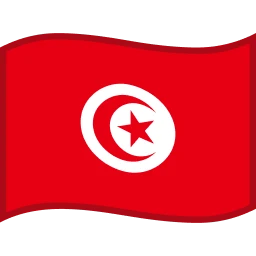
Flag of Tunisia
🐪
Camel
🏜️
Desert
🏛️
Classical Building
🥘
Paella
🍵
Teacup Without Handle
🌙
Crescent Moon
🧿
Nazar Amulet
🫒
Olive
🧪 Emoji Mashups (Emoji Kitchen)
Fun mashups created by combining Tunisia emojis with Emoji Kitchen. Download and use them freely.
Help grow the Tunisia collection! Suggest emojis or symbols you think are missing and contribute to the community.
💡 Missing an emoji/symbol?
📖
Meaning & Usage
🇹🇳
Flag of Tunisia
Represents Tunisia and its national identity. Use it to show support for Tunisia, celebrate national holidays, or indicate you're from Tunisia. The flag features a red crescent and star on a white disc, set against a red background.
🐪
Camel
Symbolizes the Sahara Desert, a significant part of Tunisia's landscape. Use it to represent desert travel, nomadic culture, or the unique wildlife of the region. On some platforms, the camel may appear as a dromedary (one-humped) or Bactrian (two-humped) camel.
🏜️
Desert
Represents the arid landscapes of the Sahara Desert found in southern Tunisia. Use it to convey the heat, vastness, and beauty of the desert environment. Its appearance varies across platforms, but generally depicts sand dunes under a scorching sun.
🏛️
Classical Building
Represents Tunisia's rich history and ancient Roman ruins, such as Carthage. Use it to signify historical sites, archaeological wonders, or the influence of Roman civilization. The design varies across platforms, sometimes resembling a Greek temple or Roman forum.
🥘
Paella
While technically a Spanish dish, it can represent the Mediterranean cuisine found in Tunisia, especially seafood dishes. Use it to talk about food or meals you had while visiting Tunisia. The emoji depicts a pan filled with rice, seafood, and vegetables.
🍵
Teacup Without Handle
Represents the tradition of drinking mint tea, a popular beverage in Tunisia. Use it to invite someone to tea, share a photo of your tea, or talk about Tunisian hospitality. The appearance varies slightly across platforms, but it's generally a green or white teacup.
🌙
Crescent Moon
Symbolizes Islam, the predominant religion in Tunisia. Use it during Ramadan or other Islamic holidays, or to represent Tunisian culture and traditions. The crescent moon is often associated with spirituality and the night sky.
📱
Platform Appearances
🇹🇳 Flag of Tunisia
Google NotoApache 2.0
Twitter/XCC-BY 4.0
Fluent 3DMIT
🐪 Camel
Google NotoApache 2.0
Twitter/XCC-BY 4.0
Fluent 3DMIT
OpenMojiCC BY-SA 4.0
🏜️ Desert
Google NotoApache 2.0
Twitter/XCC-BY 4.0
OpenMojiCC BY-SA 4.0
🏛️ Classical Building
Google NotoApache 2.0
Twitter/XCC-BY 4.0
OpenMojiCC BY-SA 4.0
🥘 Paella
Google NotoApache 2.0
Twitter/XCC-BY 4.0
Fluent 3DMIT
OpenMojiCC BY-SA 4.0
🍵 Teacup Without Handle
Google NotoApache 2.0
Twitter/XCC-BY 4.0
Noto AnimatedApache 2.0
Fluent 3DMIT
OpenMojiCC BY-SA 4.0
ℹ️ All images shown are from open-licensed sources (Apache 2.0, MIT, CC-BY 4.0, CC BY-SA 4.0) and are free to use.
💬
Ready Messages
Copy and share
Exploring the Sahara Desert in Tunisia! 🐪🏜️ So amazing!
Enjoying some delicious Tunisian couscous! 🥘😋
Happy Independence Day, Tunisia! 🇹🇳🎉
Drinking mint tea in Sidi Bou Said. 🍵 What a view! 💙
Visiting the ancient ruins of Carthage. 🏛️ So much history! 📜
Thinking of my trip to Tunisia. ✈️ Can't wait to go back! 🇹🇳
Ramadan Kareem from Tunisia! 🌙✨
Just bought a beautiful Nazar amulet in Tunisia! 🧿 Lucky charm! ✨
🎨
Related Emojis
🌍
Travel & Places
🍽️
Food & Drink
☪️
Religion
⭐
Symbols
🐪
Animals
🚩
Flags
☀️
Weather
🏺
Objects
💡
Usage Tips
🎯
Context is Key
Consider the context of your message when using emojis related to Tunisia. Make sure your emoji usage is respectful and appropriate for the situation.
🎯
Platform Variations
Be aware that emojis can look different on different platforms (Apple, Google, Samsung, etc.). Test your messages to ensure they appear as intended on the recipient's device.
🎯
Combine Emojis
Use multiple emojis to create more complex and nuanced expressions. For example, combine the flag of Tunisia with a heart emoji to show your love for the country.
🎯
Cultural Sensitivity
When using emojis related to religion or culture, be mindful of cultural sensitivities and avoid using them in a disrespectful or offensive manner.
🎯
Use Sparingly
While emojis can enhance your messages, avoid overusing them. Too many emojis can make your message difficult to read and understand.
🔗
Similar Combinations
Discover more emoji combinations related to Tunisia