Musical Notes
Represents music in general. Can be used to indicate that something is related to music, a song is playing, or to express enjoyment of music. On some platforms, the design shows multiple notes, while others show a single note repeated.
Traditional music encompasses a wide range of musical styles passed down through generations, often reflecting the cultural heritage and values of a community. Expressing your appreciation for traditional music through emojis can add depth and nuance to your conversations. This guide explores the best emojis to represent various aspects of traditional music, from instruments and performances to cultural celebrations and emotional connections. Understanding the subtle meanings and cultural contexts of these emojis will help you communicate effectively and authentically when discussing this rich and diverse art form. Whether you're sharing your favorite folk song, discussing a traditional dance performance, or simply expressing your love for cultural heritage, these emojis will help you strike the right chord.
Copy most popular emojis with one click
Fun mashups created by combining Traditional Music emojis with Emoji Kitchen. Download and use them freely.
Help grow the Traditional Music collection! Suggest emojis or symbols you think are missing and contribute to the community.
💡 Missing an emoji/symbol?
Represents music in general. Can be used to indicate that something is related to music, a song is playing, or to express enjoyment of music. On some platforms, the design shows multiple notes, while others show a single note repeated.
Similar to the musical notes emoji, but often used to represent a specific tune or melody. It can also indicate that someone is humming or singing a single note. The design varies across platforms, with some showing a quaver and others a beamed note.
Represents stringed instruments and classical music. In the context of traditional music, it can represent folk fiddling or other violin-based traditions. The design is consistent across platforms, showing a brown violin with a bow.
Represents percussion instruments and rhythm. In traditional music, it can symbolize drumming circles, tribal rhythms, or the beat of a folk song. The design varies slightly, with some platforms showing a snare drum and others a larger bass drum.
Represents brass instruments and fanfare. In traditional music, it can signify celebratory music or a brass band playing folk tunes. The design is generally consistent, showing a golden trumpet.
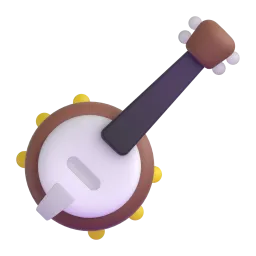
Represents folk and bluegrass music, particularly in American traditions. It can be used to indicate a love for banjo music or to represent a specific banjo player. This emoji is relatively new and may not be supported on all older devices.
Represents dance and celebration. In the context of traditional music, it can signify folk dancing, cultural dances, or simply the joy of moving to music. The design shows a woman in a red dress dancing.
Noto Animated
Apache 2.0
Noto Animated
Apache 2.0
Noto Animated
Apache 2.0
Noto Animated
Apache 2.0
Noto Animated
Apache 2.0
ℹ️ All images shown are from open-licensed sources (Apache 2.0, MIT, CC-BY 4.0, CC BY-SA 4.0) and are free to use.
Copy and share
Consider your audience and the specific type of traditional music you're referencing when choosing emojis. A banjo might be perfect for bluegrass, but less appropriate for Celtic folk.
Use multiple emojis to create a more detailed picture. For example, 🎻🎶☘️ could represent Irish folk music.
Newer emojis like the banjo may not be visible on older devices. Consider your audience's devices when using less common emojis.
Don't overload your message with emojis. A few well-chosen emojis can be more effective than a long string of them.
Be mindful of the cultural context of the music you're referencing and avoid using emojis in a way that could be seen as disrespectful or appropriative.
This content was created with AI technology, enriched with Unicode Consortium data and community contributions. AI Disclosure →