Spreadsheets are essential tools for organizing, analyzing, and presenting data. They're used in countless industries and academic fields to manage budgets, track inventory, perform statistical analysis, and much more. Emojis can add a touch of personality and clarity to your spreadsheet communications, whether you're sharing updates with your team, highlighting key findings, or simply making your data more engaging. This guide explores the best emojis to use when discussing spreadsheets, their meanings, and how to incorporate them effectively into your messages.
When choosing emojis for spreadsheet-related communications, consider the context and your audience. Some emojis are universally understood, while others may have different interpretations depending on the platform or cultural background. Use emojis sparingly to avoid overwhelming your message, and always ensure they complement and enhance your text rather than detracting from it. Whether you're a seasoned data analyst or just starting out with spreadsheets, these emojis can help you communicate more effectively and add a bit of fun to your work.
18+Emoji
8Messages
5Tips
⚡
Quick Copy
Copy most popular emojis with one click
📊
Bar Chart
📈
Chart Increasing
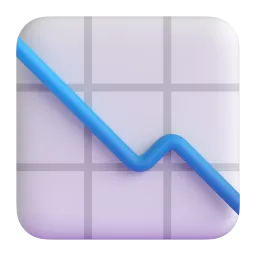
📉
Chart Decreasing
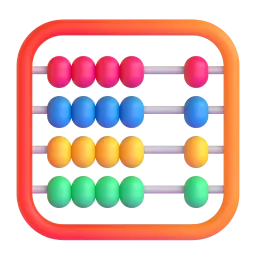
🧮
Abacus
✅
Check Mark
❌
Cross Mark
💰
Money Bag
📁
File Folder
📄
Page Facing Up
🔢
Input Numbers
🧪 Emoji Mashups (Emoji Kitchen)
Fun mashups created by combining Spreadsheet emojis with Emoji Kitchen. Download and use them freely.
Help grow the Spreadsheet collection! Suggest emojis or symbols you think are missing and contribute to the community.
💡 Missing an emoji/symbol?
📖
Meaning & Usage
📊
Bar Chart
Represents data visualization and analysis. Use it to indicate reports, presentations, or discussions about data trends. On some platforms, the bars are vertical, while on others they are horizontal.
📈
Chart Increasing
Symbolizes positive growth, progress, or improvement in data. Use it to highlight successful results or upward trends. This emoji's appearance is consistent across most platforms, showing an upward-sloping line.
📉
Chart Decreasing
Represents negative trends, decline, or loss in data. Use it to indicate areas of concern or downward trends. Similar to the increasing chart, this emoji generally shows a downward-sloping line across platforms.
🧮
Abacus
Represents calculations, accounting, and numerical data. Use it to symbolize financial analysis or mathematical operations. This emoji is relatively consistent across platforms, depicting a traditional abacus.
✅
Check Mark
Indicates completion, approval, or verification of data. Use it to confirm that a task is done or a data point is accurate. The appearance is generally a green checkmark, but some platforms may use a different color.
❌
Cross Mark
Indicates errors, rejections, or incorrect data. Use it to highlight mistakes or areas that need correction. Typically displayed as a red 'X', but color and style may vary slightly.
💰
Money Bag
Represents finances, budgets, and monetary values. Use it to discuss financial spreadsheets or budget planning. The bag is usually depicted with a dollar sign ($) on it.
📱
Platform Appearances
📊 Bar Chart
Google NotoApache 2.0
Twitter/XCC-BY 4.0
Noto AnimatedApache 2.0
Fluent 3DMIT
OpenMojiCC BY-SA 4.0
📈 Chart Increasing
Google NotoApache 2.0
Twitter/XCC-BY 4.0
Noto AnimatedApache 2.0
Fluent 3DMIT
OpenMojiCC BY-SA 4.0
📉 Chart Decreasing
Google NotoApache 2.0
Twitter/XCC-BY 4.0
Noto AnimatedApache 2.0
Fluent 3DMIT
OpenMojiCC BY-SA 4.0
🧮 Abacus
Google NotoApache 2.0
Twitter/XCC-BY 4.0
Fluent 3DMIT
OpenMojiCC BY-SA 4.0
✅ Check Mark
Google NotoApache 2.0
Twitter/XCC-BY 4.0
Noto AnimatedApache 2.0
Fluent 3DMIT
OpenMojiCC BY-SA 4.0
❌ Cross Mark
Google NotoApache 2.0
Twitter/XCC-BY 4.0
Noto AnimatedApache 2.0
Fluent 3DMIT
OpenMojiCC BY-SA 4.0
ℹ️ All images shown are from open-licensed sources (Apache 2.0, MIT, CC-BY 4.0, CC BY-SA 4.0) and are free to use.
💬
Ready Messages
Copy and share
Budget review complete! ✅ Let's discuss the findings. 📊
Sales are up this quarter! 📈 Great job team! 🎉
Inventory levels are decreasing. 📉 We need to address this. ⚠️
Finalizing the expense report. 💰 Almost done! ⏳
Data entry complete. 📄 Ready for analysis. 🔬
Need help with the formulas? 🔢 Let me know! 🤔
File updated with the latest projections. 📁 Please review! 👀
Error found in cell C5. ❌ Please correct. 🙏
🎨
Related Emojis
🔢
Numbers
📊
Charts
💰
Finance
✅
Status
📁
Files
🧮
Calculations
📄
Documents
📉
Trends
💡
Usage Tips
🎯
Use sparingly
Don't overuse emojis in professional spreadsheet communications. A few well-placed emojis can add clarity, but too many can be distracting.
🎯
Consider your audience
Be mindful of your audience's familiarity with emojis. Some audiences may appreciate them more than others. Tailor your emoji usage accordingly.
🎯
Test across platforms
Emojis can appear differently on different platforms (Apple, Android, Windows). Test your messages to ensure they display correctly for all recipients.
🎯
Use for emphasis
Use emojis to highlight key points or important information within your spreadsheet communications. For example, use ✅ to confirm completion or ⚠️ to indicate a warning.
🎯
Maintain professionalism
While emojis can add personality, maintain a professional tone in your spreadsheet communications. Avoid using overly casual or inappropriate emojis.
🔗
Similar Combinations
Discover more emoji combinations related to Spreadsheet