Navigating the digital world of international relations and national identity requires a nuanced understanding of emoji usage. When discussing sovereign states, emojis can add context, express sentiment, or even subtly convey political viewpoints. This guide explores the appropriate use of flags, symbols, and other relevant emojis to represent countries, nationalities, and related concepts. It's crucial to be mindful of cultural sensitivities and avoid using emojis in ways that could be misconstrued or offensive. The power of emojis lies in their ability to communicate complex ideas succinctly, but this also means they can be easily misinterpreted if not used thoughtfully. Consider the audience and the context of the conversation before deploying emojis related to sovereign states. Whether you're discussing current events, travel plans, or cultural exchanges, choosing the right emojis can enhance your message and foster understanding. Remember that emoji rendering can vary across platforms, so it's always a good idea to double-check how your message appears on different devices.
Help grow the Sovereign State collection! Suggest emojis or symbols you think are missing and contribute to the community.
💡 Missing an emoji/symbol?
📖
Meaning & Usage
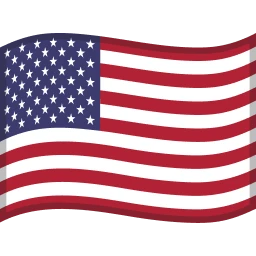
🇺🇸
United States Flag
Represents the United States of America. Commonly used to express American nationality, patriotism, or to refer to American culture and politics. Rendering may vary slightly across platforms like Apple, Google, and Samsung.
🌍
Globe Showing Europe-Africa
Represents the world, globalization, or international affairs. It can be used in discussions about geography, travel, or global issues. Different globe emojis exist showing different continents.
🏛️
Classical Building
Often used to represent government, institutions, or historical landmarks. It can symbolize the foundations of a sovereign state or its cultural heritage. It can also represent a museum or university.
🤝
Handshake
Represents agreement, diplomacy, or international cooperation. It can be used to signify treaties, alliances, or peaceful resolutions between sovereign states. Skin tone modifiers can be used to represent different parties.
👑
Crown
Symbolizes monarchy, royalty, or leadership. It can represent a sovereign state ruled by a monarch or a figure of authority. Can also be used to indicate power or status.
📜
Scroll
Represents historical documents, treaties, or declarations. It can be used to refer to the founding principles of a sovereign state or its legal framework. It can also represent knowledge or history.
⚔️
Crossed Swords
Represents conflict, defense, or military power. It can be used to symbolize the protection of a sovereign state's borders or its involvement in international conflicts. Can also represent historical battles.
📱
Platform Appearances
🇺🇸 United States
Google NotoApache 2.0
Twitter/XCC-BY 4.0
Fluent 3DMIT
OpenMojiCC BY-SA 4.0
🇬🇧 United Kingdom
Google NotoApache 2.0
Twitter/XCC-BY 4.0
Fluent 3DMIT
OpenMojiCC BY-SA 4.0
🇨🇦 Canada
Google NotoApache 2.0
Twitter/XCC-BY 4.0
Fluent 3DMIT
OpenMojiCC BY-SA 4.0
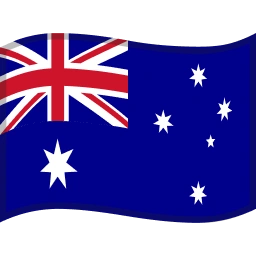
🇦🇺 Australia
Google NotoApache 2.0
Twitter/XCC-BY 4.0
Fluent 3DMIT
OpenMojiCC BY-SA 4.0
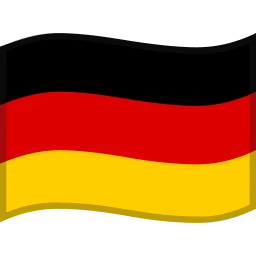
🇩🇪 Germany
Google NotoApache 2.0
Twitter/XCC-BY 4.0
Fluent 3DMIT
OpenMojiCC BY-SA 4.0
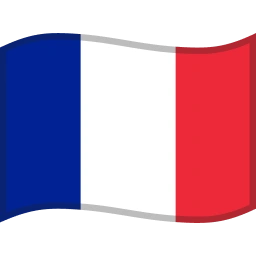
🇫🇷 France
Google NotoApache 2.0
Twitter/XCC-BY 4.0
Fluent 3DMIT
OpenMojiCC BY-SA 4.0
ℹ️ All images shown are from open-licensed sources (Apache 2.0, MIT, CC-BY 4.0, CC BY-SA 4.0) and are free to use.
💬
Ready Messages
Copy and share
Celebrating Independence Day! 🇺🇸🎉
Discussing international trade agreements 🤝 between 🇨🇦 and 🇺🇸.
Learning about the history of 🇫🇷 and its impact on Europe 🏛️.
Planning a trip to explore the cultural landmarks of 🇮🇹! 🍕🍝
Debating the current political climate in 🇬🇧 📰.
Promoting peace and cooperation between nations 🌍🕊️.
Honoring the veterans who defended our country 🎖️🇺🇸
Excited to learn more about Japanese culture and traditions! 🇯🇵🍣⛩️
🎨
Related Emojis
🗺️
Maps
🏛️
Buildings
🚩
Flags
🤝
Gestures
👑
Symbols
📜
Objects
⚔️
War
🌍
Geography
💡
Usage Tips
🎯
Use Flags Respectfully
Avoid using flag emojis in a way that could be seen as disrespectful or offensive to a particular nation or culture. Consider the context and your audience.
🎯
Consider Platform Differences
Emoji rendering can vary across platforms. A flag emoji might appear differently on Apple, Google, Samsung, or Microsoft devices. Test your messages to ensure they are displayed as intended.
🎯
Combine with Other Emojis
Use flag emojis in combination with other emojis to add context and nuance to your message. For example, combine a flag with a food emoji to represent a country's cuisine.
🎯
Be Mindful of Political Sensitivities
When discussing political issues, be mindful of the potential for misinterpretation. Use emojis sparingly and choose them carefully to avoid causing offense or sparking controversy.
🎯
Use Regional Indicator Symbols
Flag emojis are based on Regional Indicator Symbols. Some platforms may not support all flag emojis, especially for lesser-known territories or regions.
🔗
Similar Combinations
Discover more emoji combinations related to Sovereign State