📄
Page Facing Up
Represents a document or page, often used to symbolize layout, content, or the overall structure of a print design. It can also indicate a draft or a final version of a design.
Print design is the art and skill of creating visual content for printed media, encompassing everything from brochures and posters to packaging and magazines. Emojis can add a playful and expressive layer to discussions about print design, helping to convey ideas, feedback, and emotions more effectively. When discussing color palettes, you might use the rainbow emoji 🌈 or specific color swatches 🟥 🟦 🟩. For layout and typography, consider using the page facing up emoji 📄 or the A button (blood type) emoji 🅰️ to represent text and arrangement. Emojis can also represent different aspects of the design process, such as brainstorming (💡), sketching (✏️), and final product (✅). Using emojis in print design conversations can streamline communication, especially in digital environments like email and messaging apps. They can quickly illustrate concepts, highlight important points, or simply add a touch of personality to your messages. However, it's important to use emojis judiciously and consider your audience and the context of the conversation. Overusing emojis can be distracting or unprofessional, so aim for clarity and relevance. When sharing design mockups, consider pairing the image with emojis that represent the overall feeling or message of the design, such as a celebratory emoji 🎉 for a successful campaign or a thoughtful emoji 🤔 for a design that requires further consideration. Remember to check how emojis render across different platforms, as their appearance can vary slightly, ensuring your message is consistently understood.
Copy most popular emojis with one click
Fun mashups created by combining Print Design emojis with Emoji Kitchen. Download and use them freely.


Help grow the Print Design collection! Suggest emojis or symbols you think are missing and contribute to the community.
💡 Missing an emoji/symbol?
Represents a document or page, often used to symbolize layout, content, or the overall structure of a print design. It can also indicate a draft or a final version of a design.
Symbolizes sketching, drawing, or the initial stages of design development. It can also represent revisions or edits to a design.
Represents color, vibrancy, and a wide range of options. It's often used when discussing color palettes, gradients, or the overall aesthetic of a design.
Represents the creative process, artistic expression, and the tools used in design. It can also symbolize the overall field of graphic design.
Represents typography, fonts, and text elements in a design. It can also be used to discuss readability and visual hierarchy.
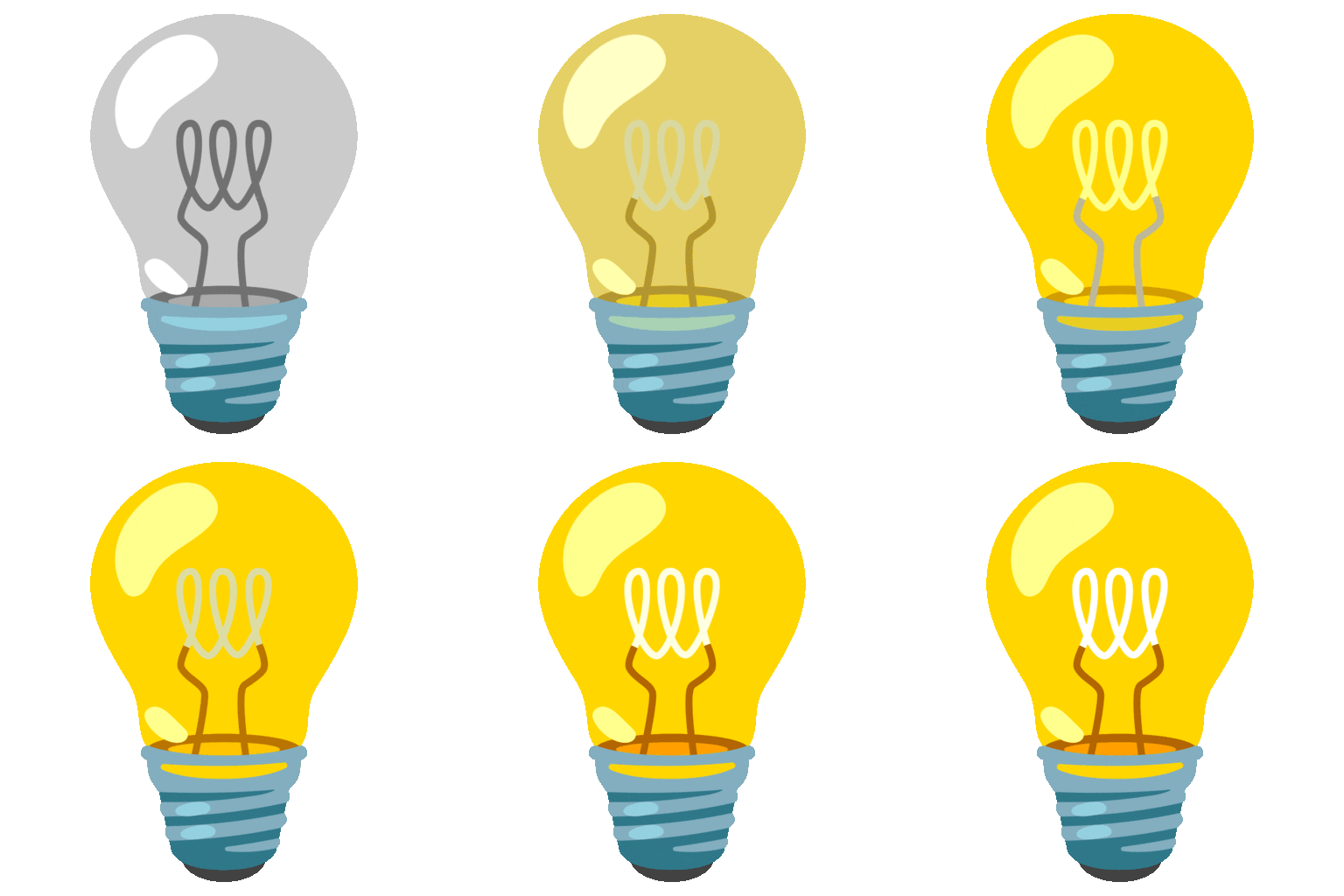
Symbolizes ideas, inspiration, and brainstorming sessions. It can also represent innovation and creative solutions in design.
Indicates completion, approval, or a final version of a design. It can also represent a successful outcome or a positive review.




 Noto Animated
Apache 2.0
Noto Animated
Apache 2.0


 Noto Animated
Apache 2.0
Noto Animated
Apache 2.0




 Noto Animated
Apache 2.0
Noto Animated
Apache 2.0

ℹ️ All images shown are from open-licensed sources (Apache 2.0, MIT, CC-BY 4.0, CC BY-SA 4.0) and are free to use.
Copy and share
When providing feedback, use emojis to draw attention to specific areas of the design. For example, 'The font choice is great! 🅰️👍'
Emojis can appear differently on various devices and operating systems. Test your messages to ensure they are displayed as intended.
While emojis can enhance communication, using too many can be distracting. Use them sparingly and strategically.
Emojis can help clarify the tone of your message, especially in written communication where tone can be easily misinterpreted. For example, use a smiley face 😊 to show enthusiasm.
When discussing designs for a specific brand, choose emojis that align with the brand's personality and values.
This content was created with AI technology, enriched with Unicode Consortium data and community contributions. AI Disclosure →