Seedling
Represents new growth and plant-based origins. Often used to symbolize veganism, vegetarianism, and sustainable living. On some platforms, the seedling appears more like a sprout, while on others it's a more mature plant.
Explore the world of plant-based protein with emojis! This guide helps you navigate the symbols associated with vegan and vegetarian protein sources, from legumes and grains to nuts and seeds. Learn how to use these emojis to communicate your dietary choices, share recipes, and promote a healthy, sustainable lifestyle. Whether you're a seasoned vegan or just curious about plant-based options, these emojis will add a fun and visual element to your conversations. Discover the nuances of each emoji, their appearance across different platforms, and creative ways to incorporate them into your digital communication. This guide provides examples of how to use these emojis in messages, along with tips for effective and engaging communication about plant-based protein.
Copy most popular emojis with one click
Fun mashups created by combining Plant Based Protein emojis with Emoji Kitchen. Download and use them freely.
Help grow the Plant Based Protein collection! Suggest emojis or symbols you think are missing and contribute to the community.
💡 Missing an emoji/symbol?
Represents new growth and plant-based origins. Often used to symbolize veganism, vegetarianism, and sustainable living. On some platforms, the seedling appears more like a sprout, while on others it's a more mature plant.
A common vegetable and a good source of plant-based protein. Used to represent healthy eating and vegetarian/vegan diets. The appearance varies slightly across platforms, with some showing a more detailed floret structure.
Represents nuts and seeds, which are excellent sources of plant-based protein and healthy fats. Can be used to indicate allergies or dietary restrictions. The peanut emoji is generally consistent across platforms, showing a pair of peanuts in their shell.
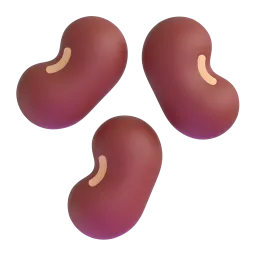
Represents legumes, a staple in many plant-based diets. Used to symbolize protein-rich foods like lentils, chickpeas, and kidney beans. The emoji depicts a cluster of beans, with slight variations in color and style across different platforms.
Represents a popular Middle Eastern dish made from ground chickpeas or fava beans, often used to symbolize vegan and vegetarian cuisine. The emoji typically shows a few falafel balls, sometimes with a side of sauce.
Represents a healthy meal option and is often used to symbolize vegetarian and vegan diets. It can also represent general healthy eating habits. The salad's contents vary slightly across platforms, but it generally includes lettuce, tomatoes, and other vegetables.
Represents a healthy fat source and is often associated with vegan and vegetarian diets. It can also symbolize healthy eating and trendy foods. The emoji typically shows a halved avocado with the pit visible.
Noto Animated
Apache 2.0
Noto Animated
Apache 2.0
Noto Animated
Apache 2.0
Noto Animated
Apache 2.0
ℹ️ All images shown are from open-licensed sources (Apache 2.0, MIT, CC-BY 4.0, CC BY-SA 4.0) and are free to use.
Copy and share
Choose emojis that accurately represent the specific plant-based protein you're discussing. For example, use 🫘 for beans and 🥜 for nuts.
Be mindful of how emojis appear on different platforms. Some variations might be more or less appealing depending on the device.
Combine multiple emojis to create a more descriptive message. For example, use 🥦🌱🥗 to represent a healthy vegan salad.
Don't overuse emojis. Too many emojis can make your message look cluttered and unprofessional. Use them sparingly to enhance your message, not distract from it.
While most food emojis are universally understood, some dishes like falafel (🧆) might be less familiar in certain cultures. Provide context if necessary.
This content was created with AI technology, enriched with Unicode Consortium data and community contributions. AI Disclosure →