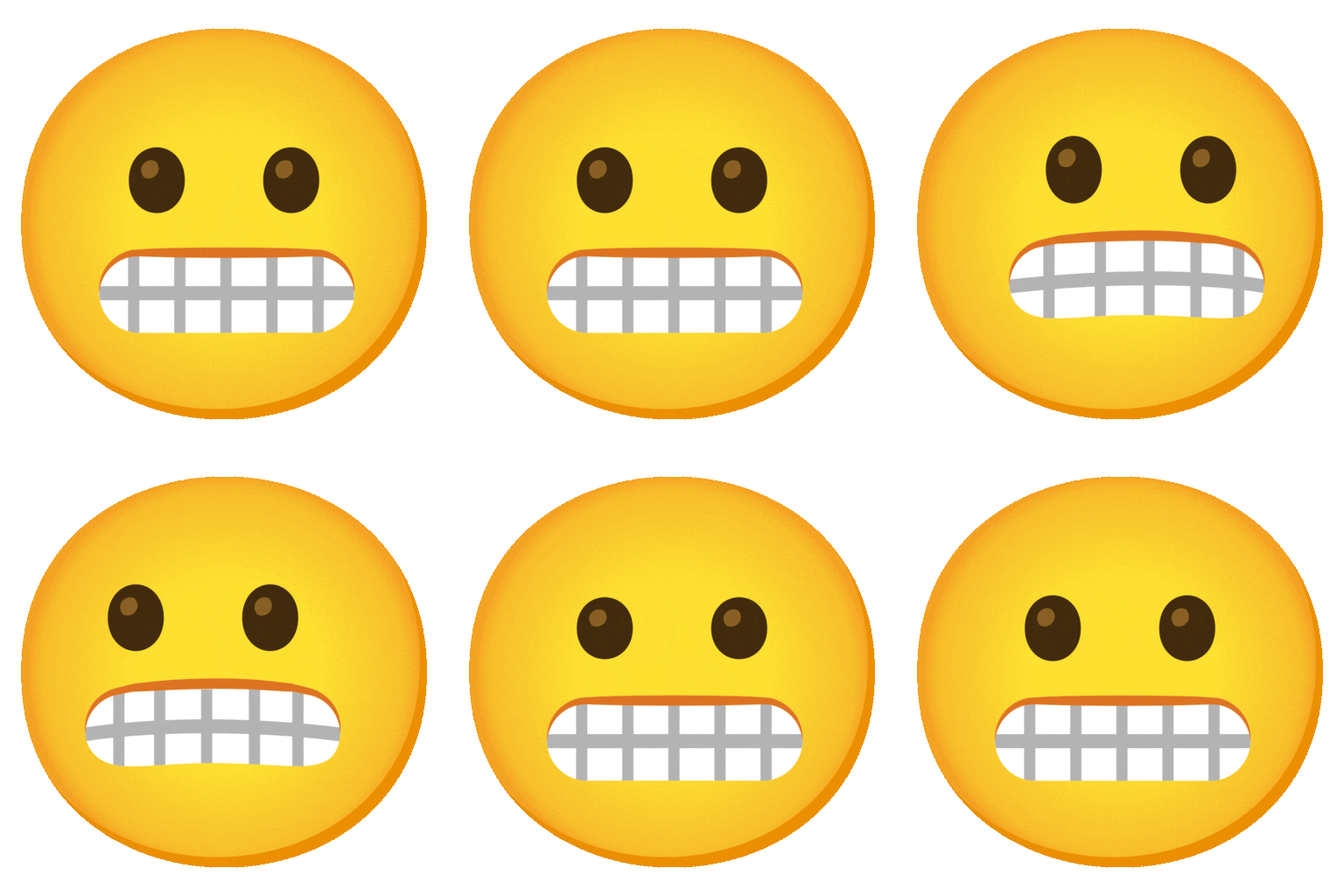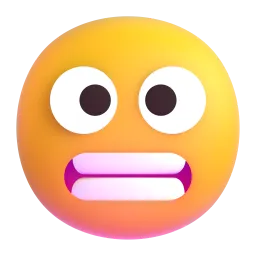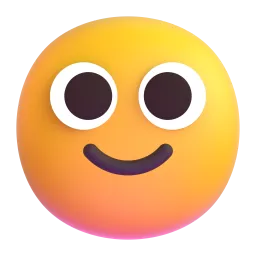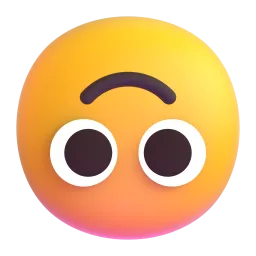
Grimacing Face
Represents awkwardness, discomfort, or cringing in response to a situation. It can also convey a forced smile when someone is trying to hide their true feelings. On some platforms, it looks more like a pained expression.
The nervous smile emoji is a versatile tool for conveying a range of emotions, from awkwardness and uncertainty to politeness and underlying anxiety. It's often used when someone is trying to be friendly or agreeable but feels uncomfortable or unsure about the situation. The slight smile softens the message, preventing it from coming across as overly negative or confrontational. Understanding the nuances of this emoji can significantly improve your communication skills in digital spaces, allowing you to express complex feelings with a single character. Different platforms render the nervous smile emoji with slight variations, influencing its perceived meaning. For example, some versions may appear more sheepish or apologetic than others. Consider your audience and the platform you're using when choosing this emoji to ensure your message is interpreted as intended. It's also crucial to use it sparingly and in appropriate contexts, as overuse can diminish its impact and make you appear insincere. The nervous smile emoji is a powerful tool for navigating social interactions online, but it requires careful consideration and awareness of its potential interpretations.
Copy most popular emojis with one click
Fun mashups created by combining Nervous Smile emojis with Emoji Kitchen. Download and use them freely.
Help grow the Nervous Smile collection! Suggest emojis or symbols you think are missing and contribute to the community.
💡 Missing an emoji/symbol?
Represents awkwardness, discomfort, or cringing in response to a situation. It can also convey a forced smile when someone is trying to hide their true feelings. On some platforms, it looks more like a pained expression.
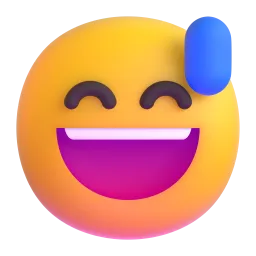
Indicates nervousness or relief after a stressful situation. The sweat droplets suggest anxiety or hard work. It's often used to lighten the mood after a tense moment. Apple's version often looks more stressed than Google's.
A simple, polite smile that can sometimes come across as passive-aggressive or insincere depending on the context. It can be used to soften a message or indicate agreement without genuine enthusiasm. Microsoft's version can appear more reserved.
Used to convey sarcasm, irony, or a sense of silliness. It can also indicate that someone is feeling awkward or unsure of themselves. It's a playful way to express discomfort. Samsung's version is particularly expressive.
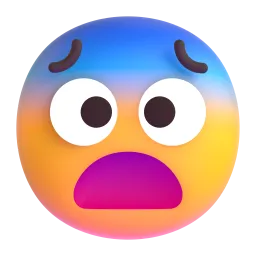
Represents fear, shock, or surprise. It can be used to express anxiety about a future event or reaction to something unexpected. The wide eyes and open mouth emphasize the feeling of fright. WhatsApp's version is often perceived as more intense.
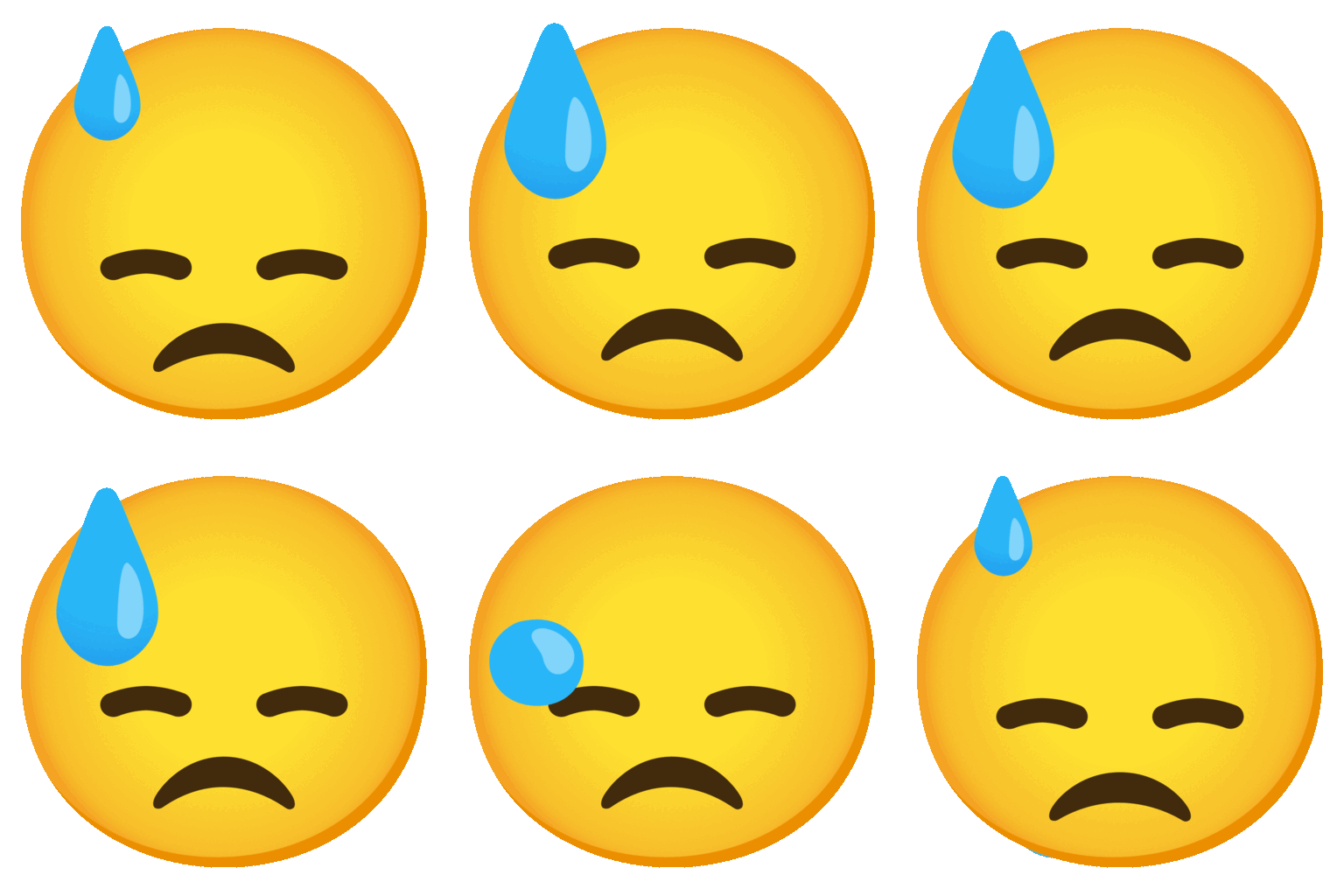
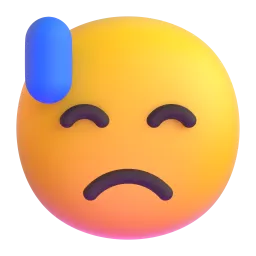
Shows sadness, disappointment, or exhaustion. The sweat droplet indicates stress or effort. It's often used to express sympathy or to acknowledge a difficult situation. Google's version appears more fatigued.
Noto Animated
Apache 2.0
Noto Animated
Apache 2.0
Noto Animated
Apache 2.0
Noto Animated
Apache 2.0
Noto Animated
Apache 2.0
Noto Animated
Apache 2.0
ℹ️ All images shown are from open-licensed sources (Apache 2.0, MIT, CC-BY 4.0, CC BY-SA 4.0) and are free to use.
Copy and share
The meaning of a nervous smile emoji can change depending on the context of the message. Always consider your audience and the overall tone of the conversation.
Be aware that emojis can look different across different platforms (Apple, Google, Samsung, etc.). This can affect how your message is perceived. Test your messages on different devices if possible.
Using the nervous smile emoji too often can make you appear insincere or overly anxious. Use it sparingly and only when it genuinely reflects your feelings.
Emojis are most effective when used in conjunction with text. Provide context and clarify your intentions to avoid misinterpretations.
In formal or professional communication, it's generally best to avoid using nervous smile emojis altogether. Stick to more neutral expressions or clear, concise language.
This content was created with AI technology, enriched with Unicode Consortium data and community contributions. AI Disclosure →