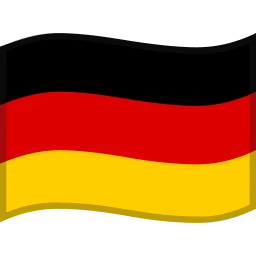
National flag emojis represent the flags of various countries and territories around the world. These emojis are widely used to express nationality, show support for a country's sports team, celebrate national holidays, or indicate the origin of a product or service. The appearance of flag emojis can vary slightly across different platforms, such as Apple, Google, Samsung, and Microsoft, but their core representation remains consistent. Using flag emojis can add context and emotion to your messages, making them more engaging and culturally relevant. However, it's important to use them respectfully and avoid using them in a way that could be seen as offensive or insensitive. Remember that some platforms may not support all flag emojis, so it's always a good idea to check how they appear on different devices before sending your message.
Beyond simply representing a country, flag emojis can also be used to indicate travel plans, cultural events, or even political opinions. For example, someone might use the 🇮🇹 flag emoji when talking about their upcoming trip to Italy, or the 🇪🇸 flag emoji when celebrating Spanish National Day. In online communities and forums, flag emojis can help users quickly identify the nationality of other members, fostering a sense of global connection. When using flag emojis, consider your audience and the context of your message to ensure that your intentions are clear and respectful. With their versatility and widespread recognition, national flag emojis are a powerful tool for expressing identity and connecting with others across borders.
Help grow the National Flag collection! Suggest emojis or symbols you think are missing and contribute to the community.
💡 Missing an emoji/symbol?
📖
Meaning & Usage
🇺🇸
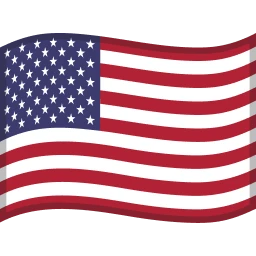
United States Flag
Represents the United States of America. Commonly used to express American nationality, patriotism, or to indicate something related to the USA. The appearance is consistent across platforms, showing stars and stripes.
🇬🇧
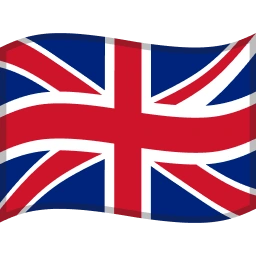
United Kingdom Flag
Represents the United Kingdom of Great Britain and Northern Ireland. Used to show British nationality, support for UK sports teams, or anything related to the UK. It features the Union Jack design.
🇨🇦
Canada Flag
Represents Canada. Used to express Canadian nationality, celebrate Canada Day, or indicate Canadian origin. The flag features a red maple leaf on a white background, flanked by two red bars.
🇯🇵
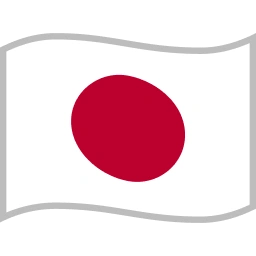
Japan Flag
Represents Japan. Used to express Japanese nationality, support Japanese culture, or indicate something related to Japan. It features a red disc representing the sun on a white background.
🇩🇪
Germany Flag
Represents Germany. Used to express German nationality, support German sports teams, or indicate something related to Germany. It features three horizontal bands of black, red, and gold.
🇫🇷
France Flag
Represents France. Used to express French nationality, celebrate Bastille Day, or indicate something related to France. It features three vertical bands of blue, white, and red.
📱
Platform Appearances
🇺🇸 United States
Google NotoApache 2.0
Twitter/XCC-BY 4.0
Fluent 3DMIT
OpenMojiCC BY-SA 4.0
🇬🇧 United Kingdom
Google NotoApache 2.0
Twitter/XCC-BY 4.0
Fluent 3DMIT
OpenMojiCC BY-SA 4.0
🇨🇦 Canada
Google NotoApache 2.0
Twitter/XCC-BY 4.0
Fluent 3DMIT
OpenMojiCC BY-SA 4.0
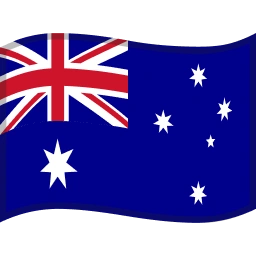
🇦🇺 Australia
Google NotoApache 2.0
Twitter/XCC-BY 4.0
Fluent 3DMIT
OpenMojiCC BY-SA 4.0
🇯🇵 Japan
Google NotoApache 2.0
Twitter/XCC-BY 4.0
Fluent 3DMIT
OpenMojiCC BY-SA 4.0
🇩🇪 Germany
Google NotoApache 2.0
Twitter/XCC-BY 4.0
Fluent 3DMIT
OpenMojiCC BY-SA 4.0
ℹ️ All images shown are from open-licensed sources (Apache 2.0, MIT, CC-BY 4.0, CC BY-SA 4.0) and are free to use.
💬
Ready Messages
Copy and share
Cheering on Team USA! 🇺🇸 Let's go!
Happy Canada Day! 🇨🇦 Celebrating with friends and family.
Excited for my trip to Japan! 🇯🇵 Can't wait to explore.
Supporting Germany in the World Cup! 🇩🇪⚽️
Bonjour from France! 🇫🇷 Having a wonderful time in Paris.
Proud to be British! 🇬🇧 Happy to celebrate our heritage.
Forza Italia! 🇮🇹 Let's win this game!
Viva España! 🇪🇸 Celebrating Spanish culture and traditions.
🎨
Related Emojis
🌎
Globe with Americas
🗺️
World Map
📍
Round Pushpin
✈️
Airplane
🏛️
Classical Building
🎉
Party Popper
⚽
Soccer Ball
🧑🤝🧑
People Holding Hands
💡
Usage Tips
🎯
Use Appropriately
Use flag emojis to express nationality or support, but avoid using them in a way that could be seen as offensive or insensitive. Consider the context of your message.
🎯
Check Platform Compatibility
Not all platforms support all flag emojis. Check how they appear on different devices before sending your message to ensure they are displayed correctly.
🎯
Combine with Other Emojis
Combine flag emojis with other emojis to add context and emotion to your messages. For example, use a flag emoji with a soccer ball emoji to show support for a country's team.
🎯
Respect Cultural Sensitivities
Be mindful of cultural sensitivities when using flag emojis. Avoid using them in discussions about political conflicts or sensitive historical events.
🎯
Use in Travel Context
Use flag emojis to indicate travel plans or destinations. For example, use the 🇫🇷 flag emoji when talking about your upcoming trip to France.
🔗
Similar Combinations
Discover more emoji combinations related to National Flag