Navigating conversations about menstruation can be sensitive, and emojis can help add nuance and empathy. While there isn't a single, universally recognized "period emoji" officially, several emojis can be used to represent different aspects of menstruation, from physical symptoms to self-care and support. This guide explores which emojis are most appropriate and how to use them respectfully and effectively in various contexts. It's important to be mindful of cultural differences and individual preferences when discussing menstruation, so consider your audience and the specific message you want to convey. Using emojis thoughtfully can help normalize the conversation and create a more supportive environment.
When choosing emojis, consider the specific message you want to send. Are you talking about pain? Use emojis associated with discomfort or rest. Are you discussing self-care? Opt for emojis related to relaxation and comfort. Are you offering support to someone? Choose emojis that convey empathy and understanding. Remember that context is key, and the same emoji can have different meanings depending on how it's used. Be mindful of the potential for misinterpretation and always prioritize clear and respectful communication. Ultimately, the goal is to use emojis to enhance understanding and create a more open and supportive dialogue around menstruation.
16+Emoji
8Messages
5Tips
⚡
Quick Copy
Copy most popular emojis with one click
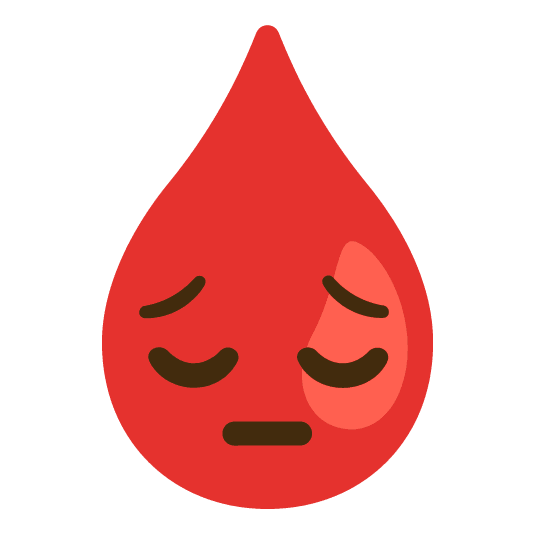
🩸
Drop of Blood
😔
Pensive Face
🥵
Hot Face
🤕
Face with Head Bandage
🍵
Teacup
🍫
Chocolate Bar
🛌
Person in Bed
🫂
People Hugging
💜
Purple Heart
🧪 Emoji Mashups (Emoji Kitchen)
Fun mashups created by combining Menstruation emojis with Emoji Kitchen. Download and use them freely.
Help grow the Menstruation collection! Suggest emojis or symbols you think are missing and contribute to the community.
💡 Missing an emoji/symbol?
📖
Meaning & Usage
🩸
Drop of Blood
This emoji can directly represent blood and is often used to symbolize menstruation. However, use it with caution as it can be perceived as graphic by some. It's best used in contexts where directness is appropriate and understood.
😔
Pensive Face
This emoji can represent the emotional discomfort or mood swings that sometimes accompany menstruation. It conveys sadness or thoughtfulness and can be used to express feeling down.
🥵
Hot Face
This emoji can represent hot flashes or feeling overheated, which can be a symptom of hormonal changes during menstruation. It can also convey general discomfort.
🤕
Face with Head Bandage
This emoji can symbolize headaches or migraines, which are common during menstruation. It can also represent general pain or discomfort.
🍵
Teacup
This emoji represents comfort and relaxation. It can be used to suggest self-care activities like drinking herbal tea to soothe cramps or calm nerves during menstruation.
🍫
Chocolate Bar
This emoji represents cravings and comfort food, often associated with menstruation. It can be used humorously or to express a desire for a treat.
🛌
Person in Bed
This emoji symbolizes rest and relaxation. It can be used to indicate needing to take it easy or stay in bed due to menstruation symptoms.
📱
Platform Appearances
🩸 Drop of Blood
Google NotoApache 2.0
Twitter/XCC-BY 4.0
Noto AnimatedApache 2.0
Fluent 3DMIT
OpenMojiCC BY-SA 4.0
😔 Pensive Face
Google NotoApache 2.0
Twitter/XCC-BY 4.0
Noto AnimatedApache 2.0
Fluent 3DMIT
OpenMojiCC BY-SA 4.0
🥵 Hot Face
Google NotoApache 2.0
Twitter/XCC-BY 4.0
Noto AnimatedApache 2.0
Fluent 3DMIT
OpenMojiCC BY-SA 4.0
🤕 Face with Head Bandage
Google NotoApache 2.0
Twitter/XCC-BY 4.0
Noto AnimatedApache 2.0
Fluent 3DMIT
OpenMojiCC BY-SA 4.0
🍵 Teacup
Google NotoApache 2.0
Twitter/XCC-BY 4.0
Noto AnimatedApache 2.0
Fluent 3DMIT
OpenMojiCC BY-SA 4.0
🍫 Chocolate Bar
Google NotoApache 2.0
Twitter/XCC-BY 4.0
Fluent 3DMIT
OpenMojiCC BY-SA 4.0
ℹ️ All images shown are from open-licensed sources (Apache 2.0, MIT, CC-BY 4.0, CC BY-SA 4.0) and are free to use.
💬
Ready Messages
Copy and share
Ugh, period cramps are hitting hard today 😔. Time for some 🍵 and 🍫.
Feeling so tired and blah today 🛌. Sending strength to everyone else on their period!
Anyone else craving all the salty snacks right now? 🍟🥨
Taking it easy today with a heating pad and a good book 📚. Self-care is key! 💜
Sending hugs to anyone dealing with period pain today 🫂. You're not alone!
My period decided to arrive unannounced 🩸. Not a happy camper.
Dealing with a major headache today 🤕. Period symptoms are the worst!
Feeling super bloated and uncomfortable 🥵. Anyone have any tips?
🎨
Related Emojis
🩸
Blood
😔
Sadness
🤕
Pain
🍵
Comfort
🍫
Cravings
🛌
Rest
🫂
Support
💡
Usage Tips
🎯
Consider Your Audience
Be mindful of who you're communicating with. Using the 🩸 emoji might be appropriate with close friends but not in a professional setting.
🎯
Use Emojis in Combination
Combine emojis to express a more nuanced message. For example, 😔 + 🍫 can convey feeling down and wanting comfort food.
🎯
Check Platform Compatibility
Emojis can appear differently across platforms (Apple, Android, Windows). Ensure your message is clear regardless of the recipient's device.
🎯
Don't Overuse Emojis
Using too many emojis can make your message seem cluttered or insincere. Use them sparingly to enhance your message, not distract from it.
🎯
Be Respectful
Menstruation is a sensitive topic. Use emojis with empathy and avoid making light of someone's experience.
🔗
Similar Combinations
Discover more emoji combinations related to Menstruation