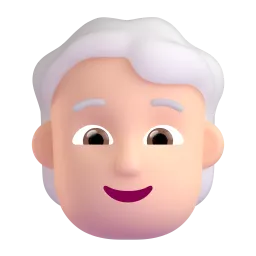
Old Man
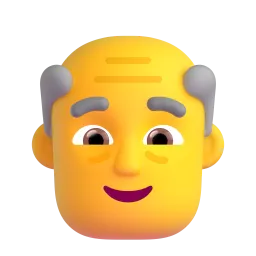
Represents an elderly man. Often used to depict age, wisdom, or simply an older male figure. On some platforms, it may appear as a more cartoonish representation of an old man, while on others it's more realistic.
This guide explores emojis representing a man with white hair and a light skin tone. These emojis are useful for representing older men, characters with specific physical traits, or simply adding diversity to your messages. The availability and appearance of these emojis can vary across different platforms, including Apple, Google, Samsung, Microsoft, and WhatsApp. Understanding these variations helps ensure your message is accurately conveyed regardless of the recipient's device. This guide will provide examples of how to use these emojis in various contexts, from casual conversations to more formal settings. We'll also explore the cultural implications of using specific skin tones and hair colors in digital communication, promoting mindful and inclusive emoji usage.
Copy most popular emojis with one click
Help grow the Man White Hair Light Skin Tone collection! Suggest emojis or symbols you think are missing and contribute to the community.
💡 Missing an emoji/symbol?
Represents an elderly man. Often used to depict age, wisdom, or simply an older male figure. On some platforms, it may appear as a more cartoonish representation of an old man, while on others it's more realistic.
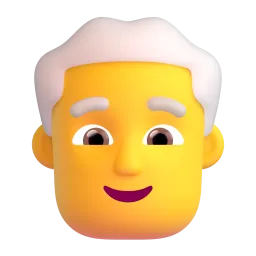
Specifically denotes a man with white or gray hair. It can be used to indicate age, but also to represent a character with this specific hair color regardless of age. The appearance varies slightly across platforms; some show a more distinct white color, while others show gray.
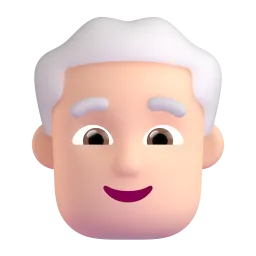
Combines the 'Man: White Hair' emoji with a light skin tone modifier. This allows for a more specific and inclusive representation. The skin tone rendering may differ slightly between Apple, Google, Samsung, and other platforms.
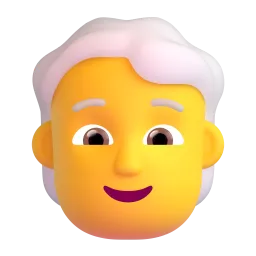
A gender-neutral person with white hair. This emoji is useful when the gender of the person is unknown or irrelevant. It offers a more inclusive option compared to the explicitly gendered emojis.
Combines the 'Person: White Hair' emoji with a light skin tone modifier, providing a gender-neutral and skin-tone specific representation. This is ideal for scenarios where both gender and skin tone are important but not explicitly defined.
Represents an elderly woman. While not directly related to a man, it provides context for representing older individuals in general. The style and detail vary across different platforms.
Represents a generic older person. This emoji is useful when the gender of the person is unknown or irrelevant. It offers a more inclusive option compared to the explicitly gendered emojis.
ℹ️ All images shown are from open-licensed sources (Apache 2.0, MIT, CC-BY 4.0, CC BY-SA 4.0) and are free to use.
Copy and share
Consider the context and your audience when selecting an emoji. Using the correct skin tone and hair color ensures inclusivity and avoids misrepresentation.
Be aware that emojis can look different across platforms. Test your messages on different devices to ensure the emojis are displayed as intended. Apple, Google, Samsung, Microsoft, and WhatsApp all render emojis slightly differently.
Don't overuse emojis. Too many emojis can make your message look cluttered and unprofessional. Use them to enhance your message, not to replace words.
Be mindful of cultural differences when using emojis. Some emojis may have different meanings in different cultures. Research the potential interpretations before using an emoji in a cross-cultural communication.
Keep accessibility in mind. Some users may use screen readers that describe emojis. Ensure your message is still clear even if the emojis are not visible.
This content was created with AI technology, enriched with Unicode Consortium data and community contributions. AI Disclosure →