Internet culture is a vast and ever-evolving landscape, encompassing memes, trends, online communities, and digital communication styles. Emojis play a crucial role in expressing these nuances, adding layers of meaning and emotion to our online interactions. From conveying sarcasm with a strategically placed eye-roll to participating in viral challenges using specific sets of emojis, understanding the language of internet emojis is essential for navigating the digital world. This guide explores the most popular emojis used in internet culture, their meanings, and how to use them effectively to communicate with online communities.
Emojis in internet culture often take on meanings beyond their literal definitions. They can be used ironically, sarcastically, or as shorthand for complex ideas and inside jokes. The meaning of an emoji can also vary depending on the platform, the context of the conversation, and the specific community using it. For example, a seemingly innocent emoji like the 'thinking face' 🤔 can be used to express skepticism, confusion, or even passive-aggression. Staying up-to-date with the latest emoji trends and their evolving meanings is key to avoiding miscommunication and participating fully in online conversations. This guide will help you decipher the emoji code and become a fluent speaker of internet culture.
Understanding the cultural context of emojis is also vital. Some emojis have become associated with specific memes, trends, or online communities. Using these emojis correctly can signal that you're 'in the know' and part of the group, while using them incorrectly can mark you as an outsider. This guide will provide insights into the cultural significance of various emojis, helping you navigate the complexities of online communication with confidence. Whether you're a seasoned internet user or new to the digital world, this emoji guide will equip you with the knowledge and tools you need to express yourself effectively and participate fully in the vibrant world of internet culture.
18+Emoji
8Messages
5Tips
⚡
Quick Copy
Copy most popular emojis with one click
😂
Face with Tears of Joy
🤣
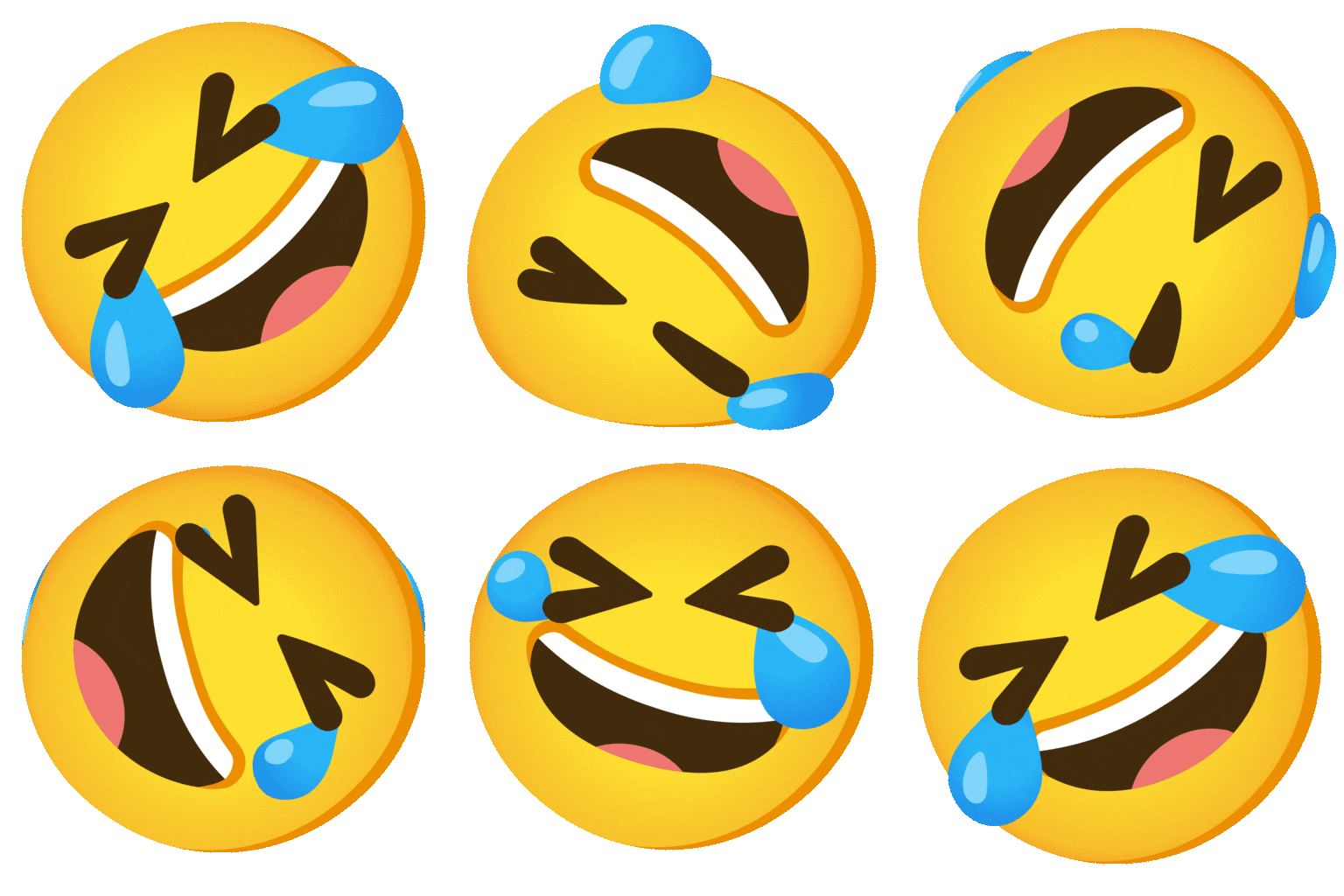
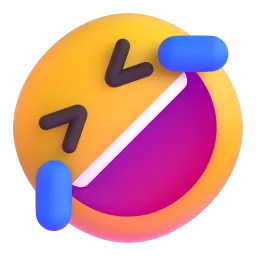
Rolling on the Floor Laughing
🤔
Thinking Face
🔥
Fire
💯
Hundred Points
💀
Skull
🤡
Clown Face
💅
Nail Polish
👁️👄👁️
Eyes and Lips
✨
Sparkles
🧪 Emoji Mashups (Emoji Kitchen)
Fun mashups created by combining Internet Culture emojis with Emoji Kitchen. Download and use them freely.
Help grow the Internet Culture collection! Suggest emojis or symbols you think are missing and contribute to the community.
💡 Missing an emoji/symbol?
📖
Meaning & Usage
😂
Face with Tears of Joy
This emoji represents uncontrollable laughter. It's often used to express amusement at something funny or absurd. However, its popularity has led some to consider it 'cringe' or overused, especially among younger generations.
🤣
Rolling on the Floor Laughing
A more intense version of 😂, this emoji signifies extreme amusement. It's used when something is so funny that you're metaphorically rolling on the floor laughing. It's generally considered more current than 😂.
🤔
Thinking Face
This emoji can express contemplation, skepticism, or confusion. Its meaning is highly dependent on context. It can be used sincerely to indicate that you're thinking about something, or sarcastically to express doubt or disagreement. On some platforms like WhatsApp, the eyebrows are more pronounced, emphasizing skepticism.
🔥
Fire
This emoji signifies that something is 'lit' or amazing. It's used to express excitement, approval, or admiration. It can also be used to describe something that is trending or popular. The design varies slightly across platforms, with Apple's version appearing more realistic.
💯
Hundred Points
This emoji represents perfection, agreement, or emphasis. It's used to show that you completely agree with something or that you think something is excellent. It can also be used to emphasize a point. The design is consistent across most platforms.
💀
Skull
This emoji is often used to express that something is so funny it's 'killing' you, or that you are metaphorically dead from laughter or embarrassment. It can also represent actual death or danger, but in internet culture, it's usually hyperbolic. The design is generally consistent, but the level of detail varies.
🤡
Clown Face
This emoji is used to describe someone acting foolishly or being a 'clown'. It can be self-deprecating or used to insult someone else. It's often associated with making bad decisions or embarrassing oneself. The design varies across platforms, with some versions appearing more menacing than others.
📱
Platform Appearances
😂 Face with Tears of Joy
Google NotoApache 2.0
Twitter/XCC-BY 4.0
Noto AnimatedApache 2.0
Fluent 3DMIT
🤣 Rolling on the Floor Laughing
Google NotoApache 2.0
Twitter/XCC-BY 4.0
Noto AnimatedApache 2.0
Fluent 3DMIT
OpenMojiCC BY-SA 4.0
🤔 Thinking Face
Google NotoApache 2.0
Noto AnimatedApache 2.0
Fluent 3DMIT
OpenMojiCC BY-SA 4.0
🔥 Fire
Google NotoApache 2.0
Twitter/XCC-BY 4.0
Noto AnimatedApache 2.0
Fluent 3DMIT
OpenMojiCC BY-SA 4.0
💯 Hundred Points
Google NotoApache 2.0
Twitter/XCC-BY 4.0
Noto AnimatedApache 2.0
Fluent 3DMIT
OpenMojiCC BY-SA 4.0
💀 Skull
Google NotoApache 2.0
Twitter/XCC-BY 4.0
Noto AnimatedApache 2.0
Fluent 3DMIT
OpenMojiCC BY-SA 4.0
ℹ️ All images shown are from open-licensed sources (Apache 2.0, MIT, CC-BY 4.0, CC BY-SA 4.0) and are free to use.
💬
Ready Messages
Copy and share
That meme was hilarious! 😂 I can't stop laughing.
This new song is 🔥🔥🔥. I'm obsessed!
I completely agree with you 💯. You're spot on!
I can't believe I did that... 💀 So embarrassing!
Are you serious? 🤔 I'm not sure I believe you.
He really thought he could pull that off? 🤡
Just finished my exam! Feeling like I aced it ✨
New fit check 💅
🎨
Related Emojis
😂
Laughter
🔥
Trending
🤔
Skepticism
💯
Approval
💀
Hyperbole
🤡
Foolishness
💅
Self-Expression
✨
Aesthetic
💡
Usage Tips
🎯
Know Your Audience
The meaning of emojis can vary depending on the platform and the community. Be mindful of your audience and the context of the conversation.
🎯
Avoid Overuse
Using too many emojis can make your message seem cluttered and unprofessional. Use them sparingly and strategically to enhance your message.
🎯
Consider Platform Differences
Emojis can appear differently on different platforms. Test your messages on various devices to ensure they are displayed as intended. Apple's emojis often have a distinct style compared to Google or Samsung.
🎯
Stay Up-to-Date
Emoji meanings and trends are constantly evolving. Keep up with the latest internet culture to avoid miscommunication and stay relevant.
🎯
Use Sparingly for Professional Communication
While emojis are common in informal online communication, use them with caution in professional settings. Consider your audience and the tone of your message.
🔗
Similar Combinations
Discover more emoji combinations related to Internet Culture