Ignoring texts is a common experience in the digital age, and emojis can be a surprisingly effective way to communicate the nuances of the situation – whether you're intentionally dodging a message, playfully teasing someone, or simply too busy to respond. This guide explores the best emojis to use when you're not replying, covering everything from subtle hints to outright avoidance. We'll delve into the meanings behind these emojis, how they're interpreted across different platforms, and provide examples of how to use them in your messages. Understanding the cultural context of these emojis is crucial, as their meaning can vary depending on the relationship between the sender and receiver. For instance, a simple "seen" notification followed by silence might be interpreted as rude in some contexts, while in others, it's perfectly acceptable. The goal is to use emojis strategically to convey your message clearly and avoid misunderstandings.
14+Emoji
8Messages
5Tips
⚡
Quick Copy
Copy most popular emojis with one click
😶
Face Without Mouth
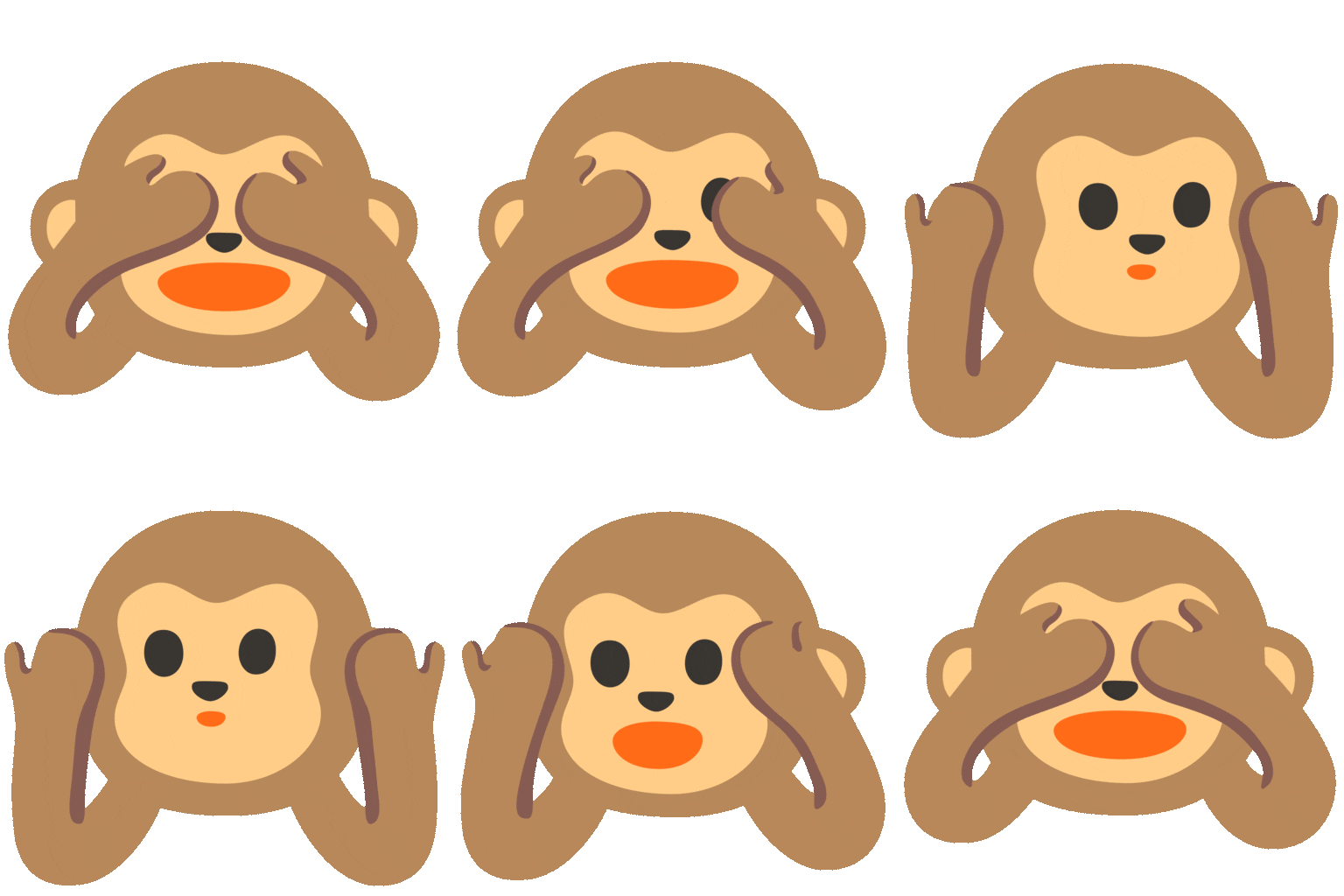
🙈
See-No-Evil Monkey
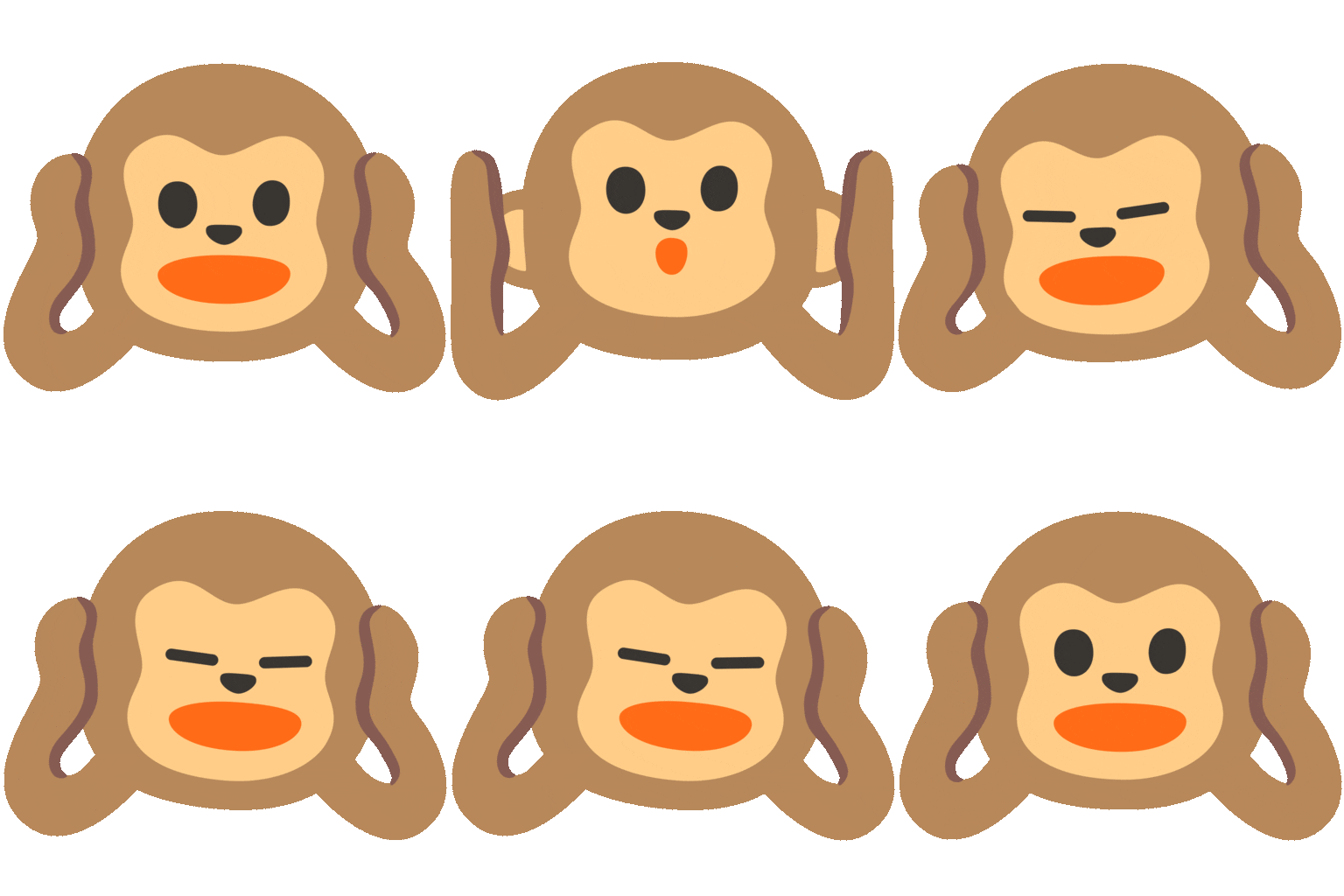
🙉
Hear-No-Evil Monkey
🙊
Speak-No-Evil Monkey
😴
Sleeping Face
📵
No Mobile Phones
🚧
Construction
💨
Dashing Away
🧪 Emoji Mashups (Emoji Kitchen)
Fun mashups created by combining Ignoring Texts emojis with Emoji Kitchen. Download and use them freely.
Help grow the Ignoring Texts collection! Suggest emojis or symbols you think are missing and contribute to the community.
💡 Missing an emoji/symbol?
📖
Meaning & Usage
😶
Face Without Mouth
This emoji can represent silence, not having anything to say, or being speechless. In the context of ignoring texts, it can imply that you're choosing not to respond or that you're at a loss for words.
🙈
See-No-Evil Monkey
One of the three wise monkeys, this emoji suggests that you're avoiding something, perhaps intentionally ignoring a text to avoid confrontation or a difficult conversation. It can also convey embarrassment or shyness.
😴
Sleeping Face
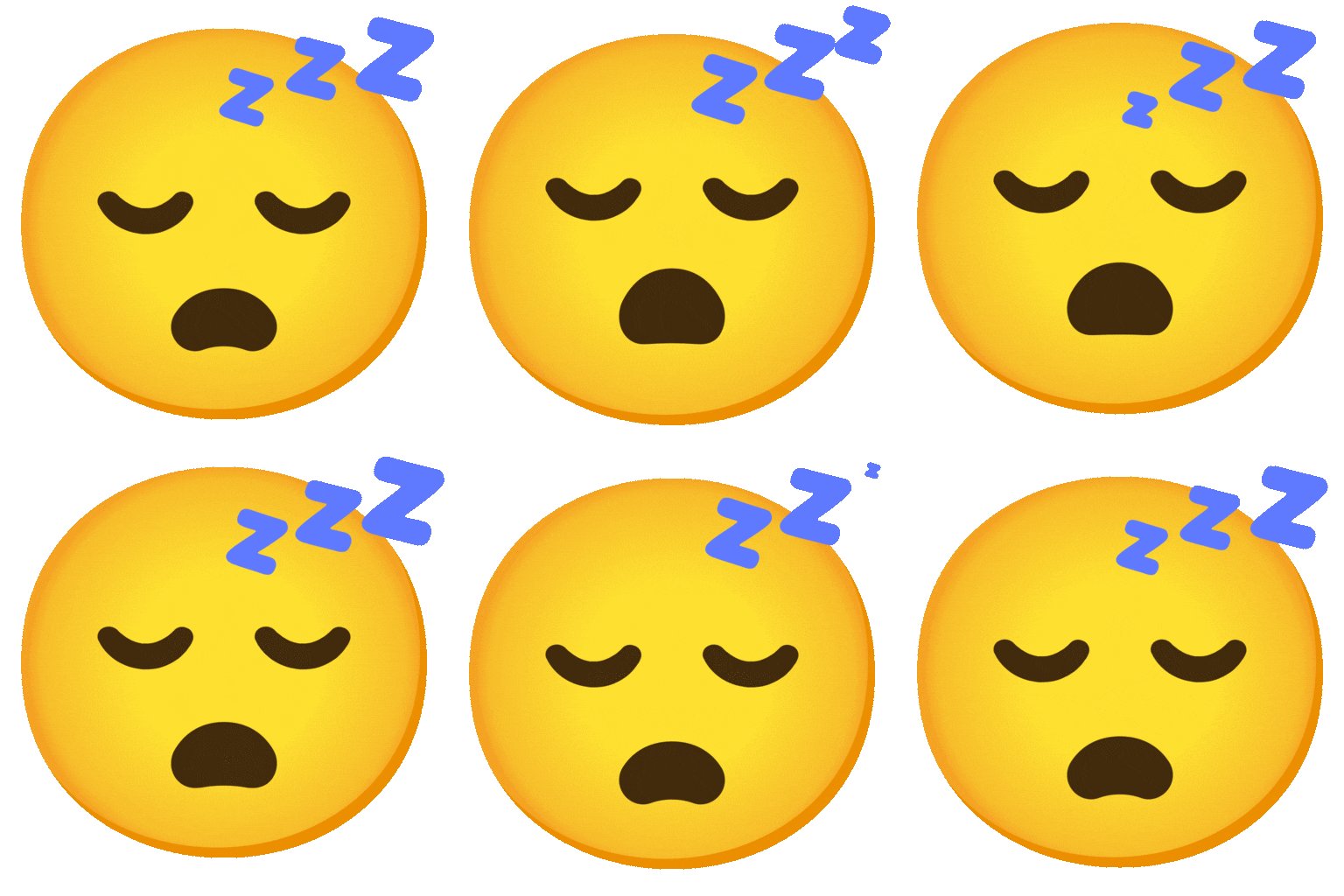
This emoji indicates that you're asleep or tired, implying that you haven't seen the text because you were unavailable. It's a gentle way to explain a delayed response without being confrontational. On some platforms, the character design makes it look more annoyed than sleepy.
📵
No Mobile Phones
This emoji signifies that phones are prohibited, suggesting that you were in a situation where you couldn't use your phone, such as a meeting or a movie. It's a clear explanation for why you didn't respond.
🚧
Construction
This emoji symbolizes that you're busy or occupied with something, preventing you from responding to texts. It's a visual way to convey that you're unavailable without going into detail. The design varies across platforms, but the meaning remains consistent.
💨
Dashing Away
This emoji depicts a cloud of dust or wind, suggesting that you're quickly moving away from something. In the context of ignoring texts, it can imply that you're actively avoiding a conversation or situation.
📱
Platform Appearances
😶 Face Without Mouth
Google NotoApache 2.0
Twitter/XCC-BY 4.0
Noto AnimatedApache 2.0
Fluent 3DMIT
OpenMojiCC BY-SA 4.0
🙈 See-No-Evil Monkey
Google NotoApache 2.0
Twitter/XCC-BY 4.0
Noto AnimatedApache 2.0
Fluent 3DMIT
OpenMojiCC BY-SA 4.0
🙉 Hear-No-Evil Monkey
Google NotoApache 2.0
Twitter/XCC-BY 4.0
Noto AnimatedApache 2.0
Fluent 3DMIT
OpenMojiCC BY-SA 4.0
🙊 Speak-No-Evil Monkey
Google NotoApache 2.0
Twitter/XCC-BY 4.0
Noto AnimatedApache 2.0
Fluent 3DMIT
OpenMojiCC BY-SA 4.0
😴 Sleeping Face
Google NotoApache 2.0
Twitter/XCC-BY 4.0
Noto AnimatedApache 2.0
Fluent 3DMIT
OpenMojiCC BY-SA 4.0
📵 No Mobile Phones
Google NotoApache 2.0
Twitter/XCC-BY 4.0
Fluent 3DMIT
OpenMojiCC BY-SA 4.0
ℹ️ All images shown are from open-licensed sources (Apache 2.0, MIT, CC-BY 4.0, CC BY-SA 4.0) and are free to use.
💬
Ready Messages
Copy and share
Sorry, just saw this! 😴 Been swamped all day.
🙈🙉🙊 I'm avoiding all drama right now.
😶 No comment. 😉
📵 Was in a meeting, just got out!
🚧 Super busy, will get back to you later!
💨 Gotta run! Talk soon?
Sorry, I'm ghosting for a bit 👻. Need some space.
Oops! 😬 Totally forgot to reply. My bad!
🎨
Related Emojis
🙊
Avoiding
😴
Sleeping
📵
No Phone
🚧
Busy
💨
Escaping
😬
Awkward
💡
Usage Tips
🎯
Consider Your Audience
Think about the person you're ignoring and their personality. Some people are more sensitive than others, so choose your emojis accordingly. A playful emoji might be fine for a friend, but not for a boss.
🎯
Platform Differences
Be aware that emojis can look different across platforms (Apple, Android, WhatsApp, etc.). Test how your message appears on different devices to avoid misinterpretations. Some emojis may not even be supported on older devices.
🎯
Use Sparingly
Don't overuse emojis when ignoring texts. A single, well-placed emoji can be more effective than a string of them. Too many emojis can make your message seem insincere or dismissive.
🎯
Combine with Text
Emojis are best used to supplement your text, not replace it entirely. A short explanation paired with an emoji can help clarify your intentions and avoid misunderstandings.
🎯
Timing is Key
The timing of your emoji response can also impact how it's perceived. Responding immediately with a dismissive emoji might come across as rude, while waiting a bit longer can soften the blow.
🔗
Similar Combinations
Discover more emoji combinations related to Ignoring Texts