Theater Masks
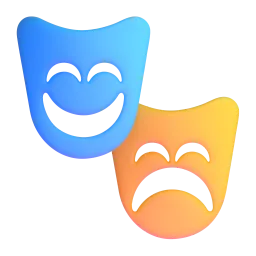
Represents drama, theater, acting, and performance. Often used to indicate a theatrical or dramatic situation. On some platforms, the masks are depicted differently, but the overall meaning remains consistent.
The concept of 'dramatic' encompasses a wide range of expressions, from heightened emotions and theatrical flair to suspenseful situations and unexpected twists. Emojis offer a visual shorthand to convey these nuances in digital communication, adding layers of meaning and impact to our messages. Understanding the subtle differences between emojis that express similar sentiments is key to effectively communicating the desired level of drama. For example, a simple 😮 can indicate surprise, while 😱 suggests shock or terror. The context of the conversation and the relationship between the communicators are crucial factors in selecting the appropriate emoji. Overusing dramatic emojis can diminish their impact, while strategic placement can amplify the emotional resonance of a message. Consider the cultural implications as well, as certain emojis may carry different connotations across different platforms and regions. Mastering the art of dramatic emoji usage can elevate your online interactions and make your messages more engaging and memorable. Whether you're reacting to a plot twist, sharing exciting news, or simply adding a touch of flair to your everyday conversations, emojis provide a powerful tool for expressing the full spectrum of human experience.
Copy most popular emojis with one click
Fun mashups created by combining Dramatic emojis with Emoji Kitchen. Download and use them freely.
Help grow the Dramatic collection! Suggest emojis or symbols you think are missing and contribute to the community.
💡 Missing an emoji/symbol?
Represents drama, theater, acting, and performance. Often used to indicate a theatrical or dramatic situation. On some platforms, the masks are depicted differently, but the overall meaning remains consistent.
Expresses overwhelming sadness, grief, or pain. Can also be used ironically to express amusement at something ridiculous. The intensity of the crying differentiates it from other crying emojis.
Conveys extreme shock, terror, or surprise. Inspired by Edvard Munch's painting 'The Scream'. Use this when something truly horrifying or unexpected happens.
Indicates surprise, amazement, or disbelief. Less intense than the 'Face Screaming in Fear' emoji. Often used when witnessing something unexpected but not necessarily frightening.
Represents fear, anxiety, or apprehension. A milder form of terror compared to the 'Face Screaming in Fear' emoji. Use when feeling uneasy or worried about something.
Expresses being overwhelmed, mind-blown, or unable to comprehend something. Often used when presented with shocking or complex information. Can also indicate frustration.
Signifies heartbreak, sadness, or loss. Used to express emotional pain after a breakup, disappointment, or any situation that causes emotional distress. Can also be used metaphorically.
Noto Animated
Apache 2.0
Noto Animated
Apache 2.0
Noto Animated
Apache 2.0
Noto Animated
Apache 2.0
Noto Animated
Apache 2.0
Noto Animated
Apache 2.0
ℹ️ All images shown are from open-licensed sources (Apache 2.0, MIT, CC-BY 4.0, CC BY-SA 4.0) and are free to use.
Copy and share
Be mindful of your audience and the context of the conversation. What might be funny to one person could be offensive to another. Different platforms render emojis differently, so test before sending.
Using too many dramatic emojis can diminish their impact and make your message seem insincere. Use them sparingly for maximum effect. Overuse can also be perceived as immature.
Combining emojis can add nuance and complexity to your message. For example, using 😂😭 together can express laughing so hard you're crying. Experiment with different combinations to find the perfect expression.
Dramatic emojis can be used to soften the blow of bad news or criticism. For example, using 😬 before delivering bad news can show that you're aware of the awkwardness of the situation. This is especially important in professional communication.
Emojis can appear differently on different platforms (Apple, Google, Samsung, Microsoft, WhatsApp). What looks like a subtle expression on one platform might look completely different on another. Test your emojis across different platforms to ensure they convey the intended meaning.
This content was created with AI technology, enriched with Unicode Consortium data and community contributions. AI Disclosure →