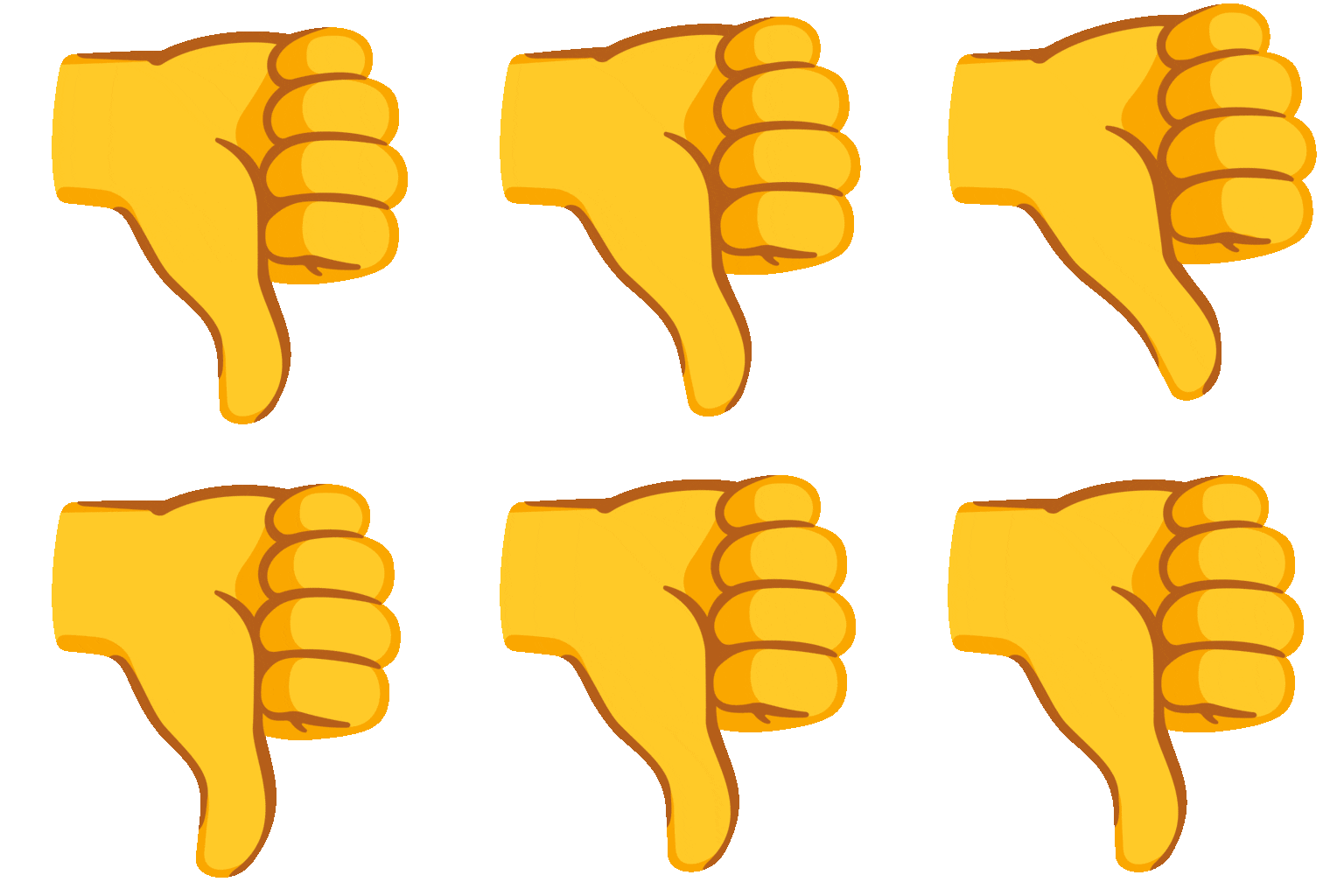
👎
Thumbs Down
Represents disapproval, disagreement, or rejection. Can be used to decline an offer or express dissatisfaction. Varies slightly across platforms in design and shading.
The concept of 'decline' encompasses a range of meanings, from a polite refusal to a gradual decrease or deterioration. Emojis can help convey the nuance of these situations, adding tone and clarity to digital communication. When declining an invitation or offer, emojis can soften the message and prevent misunderstandings. Representing a downward trend or a state of decay requires different visual cues, and the appropriate emoji can effectively communicate the intended meaning. Understanding the subtle differences in how emojis are rendered across platforms (Apple, Google, Samsung, Microsoft, WhatsApp) is crucial for ensuring your message is received as intended. A thumbs down on Apple might look slightly different on Google, potentially altering the perceived tone. Consider your audience and the context of the conversation when selecting emojis to represent decline. Using emojis effectively in the context of decline involves careful selection and placement. A simple 'no' can be accompanied by a 🙅 (person gesturing no) or a ❌ (cross mark) to emphasize the refusal. For representing a downward trend, consider using 📉 (chart decreasing) or 🤕 (face with head bandage) to indicate a decline in health or performance. When discussing something decaying or deteriorating, 🥀 (wilted flower) or 🏚️ (derelict house) can be appropriate. Remember that emojis are not a substitute for clear communication, but rather a tool to enhance and clarify your message. Overusing emojis can also dilute the impact of your message, so use them sparingly and purposefully. Always consider the cultural context, as some emojis may have different connotations in different cultures. For example, certain hand gestures can be offensive in some regions, so be mindful of your audience's background.
Copy most popular emojis with one click
Fun mashups created by combining Decline emojis with Emoji Kitchen. Download and use them freely.


Help grow the Decline collection! Suggest emojis or symbols you think are missing and contribute to the community.
💡 Missing an emoji/symbol?
Represents disapproval, disagreement, or rejection. Can be used to decline an offer or express dissatisfaction. Varies slightly across platforms in design and shading.
Indicates negation, cancellation, or a wrong answer. Often used to mark something as incorrect or to decline an option. On some platforms, it appears as a red 'X'.
A person making an 'X' shape with their arms, indicating 'no' or refusal. Available in various skin tones. Can be used to politely decline an invitation or request.
Represents a downward trend, decline, or loss. Commonly used in business or finance contexts to indicate negative performance. The visual style of the chart varies across platforms.
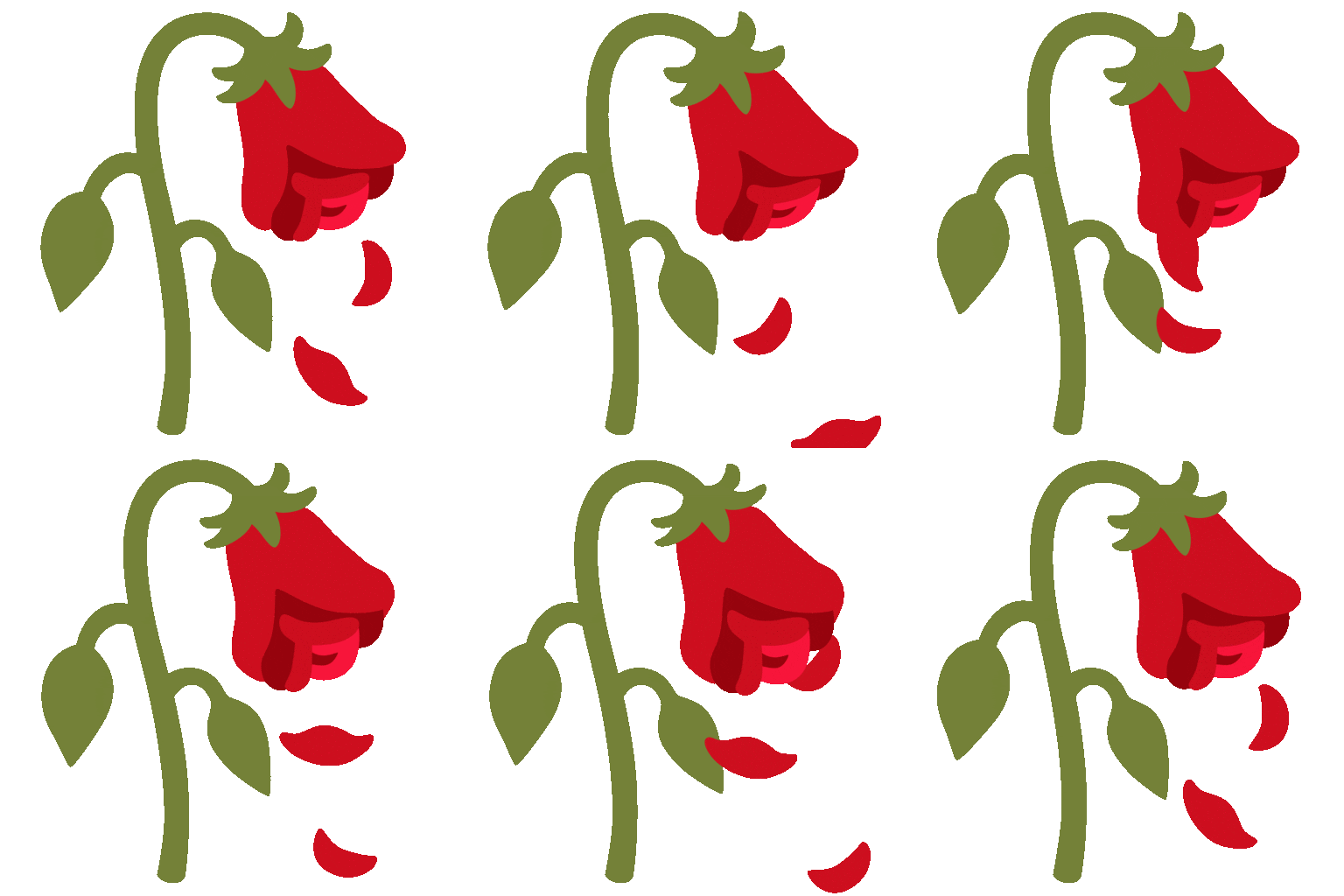
Symbolizes sadness, loss, or the end of something. Can represent a decline in health, beauty, or a relationship. Often used metaphorically to express disappointment.
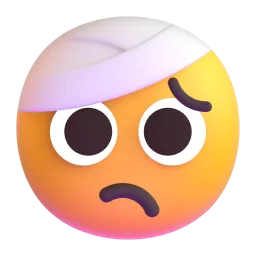
Indicates illness, injury, or feeling unwell. Can represent a decline in health or a difficult situation. The bandage is usually depicted on the forehead.
Signifies prohibition or restriction. Used to indicate that something is not allowed or permitted. Often seen in traffic signs and public spaces.


 Noto Animated
Apache 2.0
Noto Animated
Apache 2.0



 Noto Animated
Apache 2.0
Noto Animated
Apache 2.0






 Noto Animated
Apache 2.0
Noto Animated
Apache 2.0


 Noto Animated
Apache 2.0
Noto Animated
Apache 2.0



 Noto Animated
Apache 2.0
Noto Animated
Apache 2.0

ℹ️ All images shown are from open-licensed sources (Apache 2.0, MIT, CC-BY 4.0, CC BY-SA 4.0) and are free to use.
Copy and share
Consider the context of your message when choosing emojis. A simple '👎' might be too harsh in some situations, while a '🙅' could be more polite.
Be aware that emojis can look different across platforms (Apple, Google, Samsung, Microsoft, WhatsApp). Test your messages to ensure they are displayed as intended.
Don't overuse emojis. Too many emojis can dilute the impact of your message and make it difficult to understand.
Be mindful of cultural differences. Some emojis may have different connotations in different cultures, so be aware of your audience's background.
Emojis should complement your text, not replace it. Use them to enhance and clarify your message, not to communicate it entirely.
This content was created with AI technology, enriched with Unicode Consortium data and community contributions. AI Disclosure →