Chatbots, also known as conversational AI, are computer programs designed to simulate conversations with human users. They are used in various applications, including customer service, information retrieval, and entertainment. Using emojis when interacting with chatbots can enhance the user experience by adding a layer of emotion and personality to the interaction. This guide provides a comprehensive overview of emojis suitable for chatbot-related communication, covering their meanings, cultural context, and usage tips. Whether you're a developer designing a chatbot interface or a user interacting with one, this guide will help you effectively leverage emojis to improve communication and engagement. The right emoji can clarify intent, express emotion, and make the interaction feel more human, leading to a more satisfying experience for everyone involved. Remember to consider the context of the conversation and the target audience when selecting emojis to ensure they are appropriate and effective. Using emojis thoughtfully can transform a mundane interaction into a delightful one, fostering positive relationships between users and AI.
14+Emoji
8Messages
5Tips
⚡
Quick Copy
Copy most popular emojis with one click
🤖
Robot
💬
Speech Balloon
🗣️
Speaking Head
💻
Laptop
💡
Light Bulb
⚙️
Gear
👋
Waving Hand
❓
Question Mark
🧪 Emoji Mashups (Emoji Kitchen)
Fun mashups created by combining Chatbot emojis with Emoji Kitchen. Download and use them freely.
Help grow the Chatbot collection! Suggest emojis or symbols you think are missing and contribute to the community.
💡 Missing an emoji/symbol?
📖
Meaning & Usage
🤖
Robot Emoji
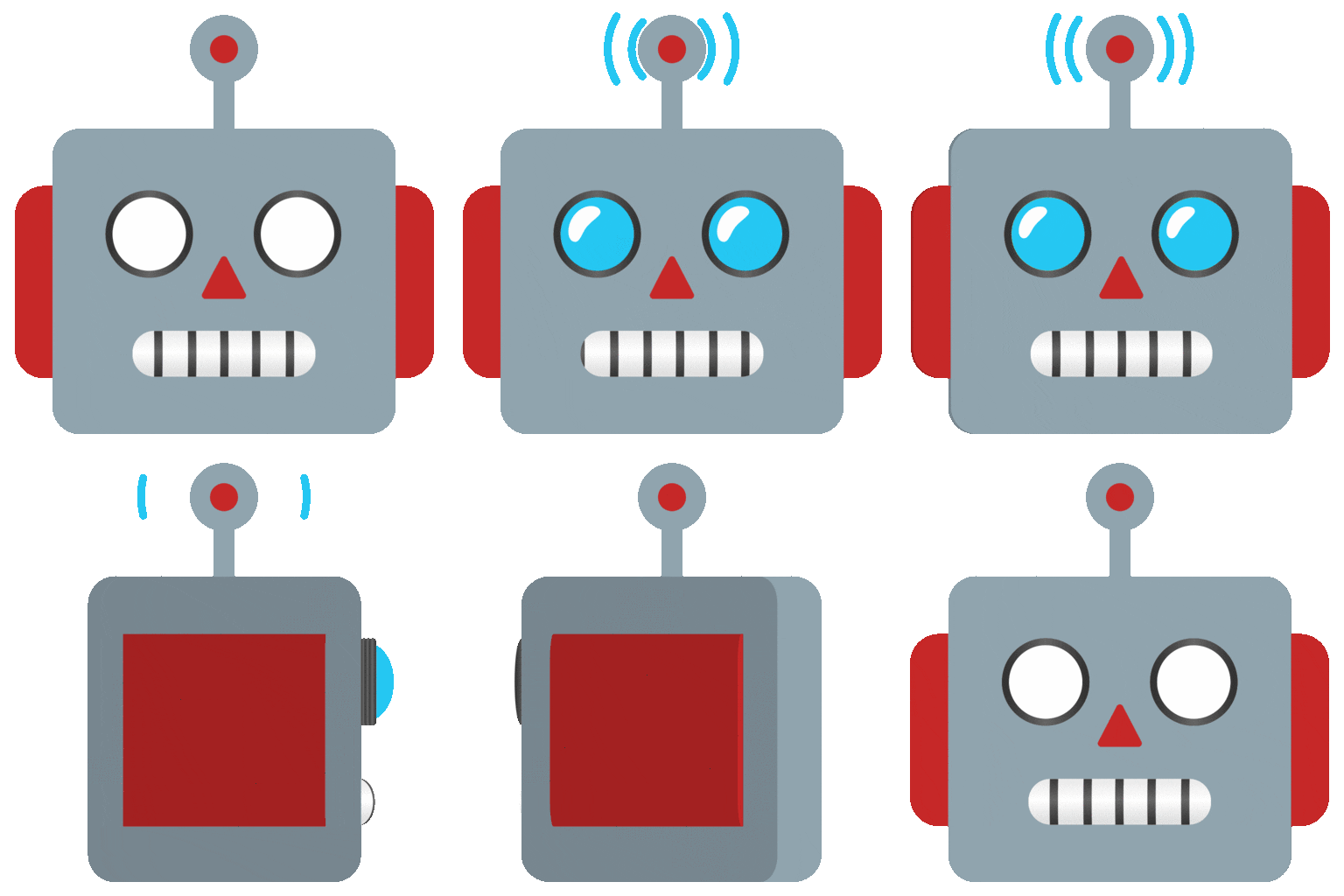
Represents robots, artificial intelligence, and automation. It's commonly used to symbolize chatbots and their technological nature. On some platforms, the robot's appearance varies, impacting its perceived friendliness.
💬
Speech Balloon Emoji
Signifies conversation, dialogue, and communication. It's perfect for indicating that a chatbot is ready to engage in a conversation. Different platforms render the balloon in various styles, affecting its visual impact.
🗣️
Speaking Head Emoji
Represents someone speaking or giving information. It can be used to show that the chatbot is providing assistance or answering questions. The skin tone variations allow for personalization.
💻
Laptop Emoji
Represents computers, technology, and online interactions. It's useful for showing that the chatbot is accessed through a digital device. The laptop's design differs across platforms, influencing its perceived modernity.
💡
Light Bulb Emoji
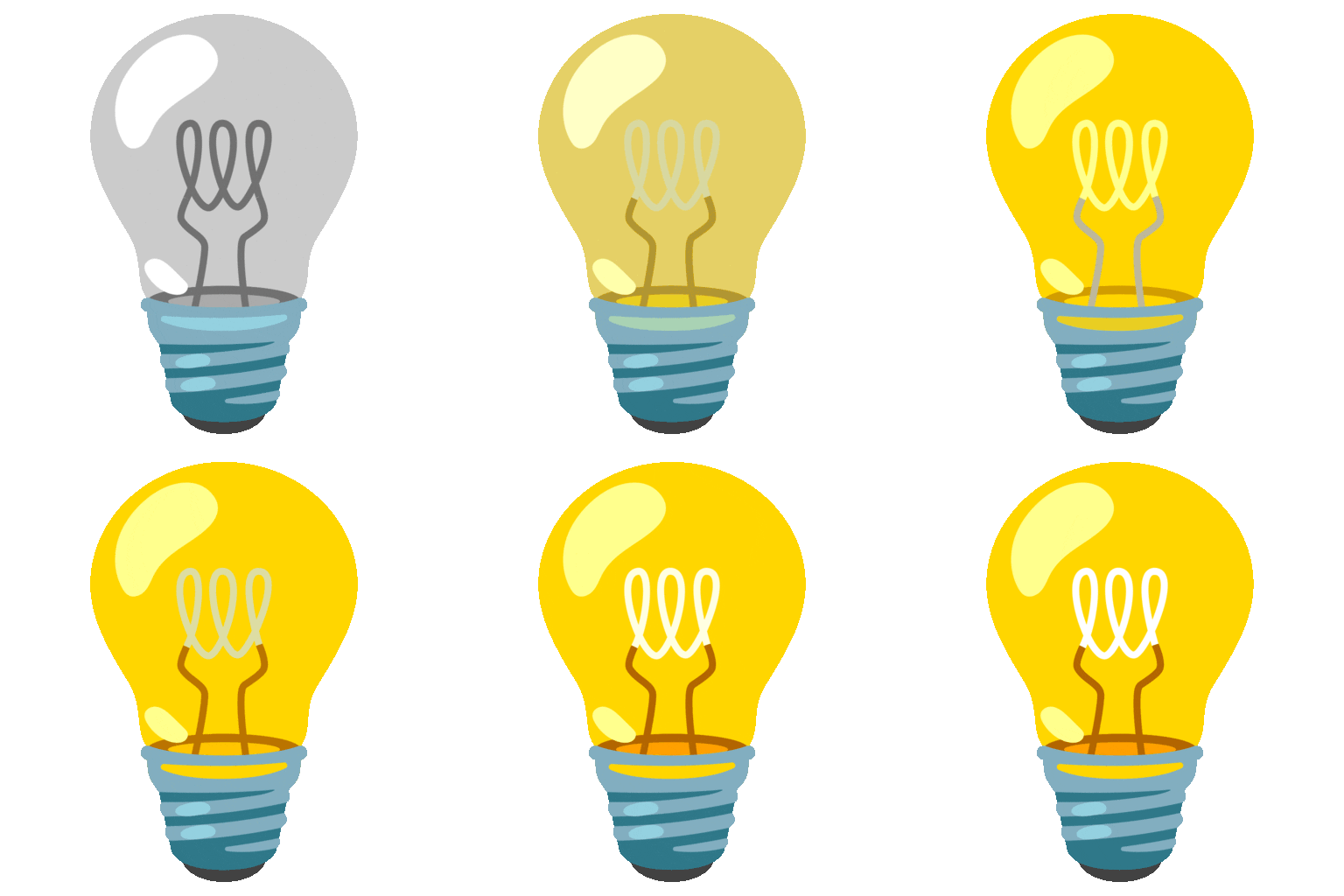
Symbolizes ideas, solutions, and innovation. It can be used to indicate that the chatbot is providing helpful suggestions or insights. The bulb's appearance varies, impacting its perceived brightness.
⚙️
Gear Emoji
Represents settings, configuration, and technical processes. It can be used to show that the chatbot is being customized or adjusted. The gear's design differs, affecting its perceived complexity.
📱
Platform Appearances
🤖 Robot
Google NotoApache 2.0
Twitter/XCC-BY 4.0
Noto AnimatedApache 2.0
💬 Speech Balloon
Google NotoApache 2.0
Twitter/XCC-BY 4.0
Noto AnimatedApache 2.0
Fluent 3DMIT
OpenMojiCC BY-SA 4.0
🗣️ Speaking Head
Google NotoApache 2.0
Twitter/XCC-BY 4.0
Noto AnimatedApache 2.0
OpenMojiCC BY-SA 4.0
💻 Laptop
Google NotoApache 2.0
Twitter/XCC-BY 4.0
Noto AnimatedApache 2.0
Fluent 3DMIT
OpenMojiCC BY-SA 4.0
💡 Light Bulb
Google NotoApache 2.0
Twitter/XCC-BY 4.0
Noto AnimatedApache 2.0
Fluent 3DMIT
OpenMojiCC BY-SA 4.0
⚙️ Gear
Google NotoApache 2.0
Twitter/XCC-BY 4.0
Noto AnimatedApache 2.0
OpenMojiCC BY-SA 4.0
ℹ️ All images shown are from open-licensed sources (Apache 2.0, MIT, CC-BY 4.0, CC BY-SA 4.0) and are free to use.
💬
Ready Messages
Copy and share
Hello! 👋 I'm your friendly chatbot. How can I help you today? 🤖
Just type your question below and I'll do my best to answer! 💬
I'm still learning, but I'm always here to assist you. 🗣️
Access me anytime, anywhere on your laptop! 💻
I have a great idea! 💡 Let me share it with you.
Configuring my settings... ⚙️ Please wait a moment.
Need help? ❓ I'm here to answer your questions.
Thanks for chatting with me! 😊 Have a great day!
🎨
Related Emojis
🤖
Robots
🗣️
Communication
💻
Technology
❓
Questions
💡
Ideas
⚙️
Settings
💡
Usage Tips
🎯
Use sparingly
Don't overuse emojis. A few well-placed emojis can enhance the message, but too many can make it look cluttered and unprofessional.
🎯
Consider the platform
Emojis can look different across platforms (Apple, Google, Samsung, etc.). Test your chatbot on different devices to ensure the emojis display correctly.
🎯
Match the tone
Choose emojis that match the tone of the conversation. If the chatbot is providing serious information, avoid using overly playful emojis.
🎯
Test with users
Get feedback from users on your emoji usage. What works for one audience may not work for another.
🎯
Accessibility
Remember that some users may have difficulty seeing or interpreting emojis. Provide alternative text descriptions for accessibility.
🔗
Similar Combinations
Discover more emoji combinations related to Chatbot