Lady Beetle
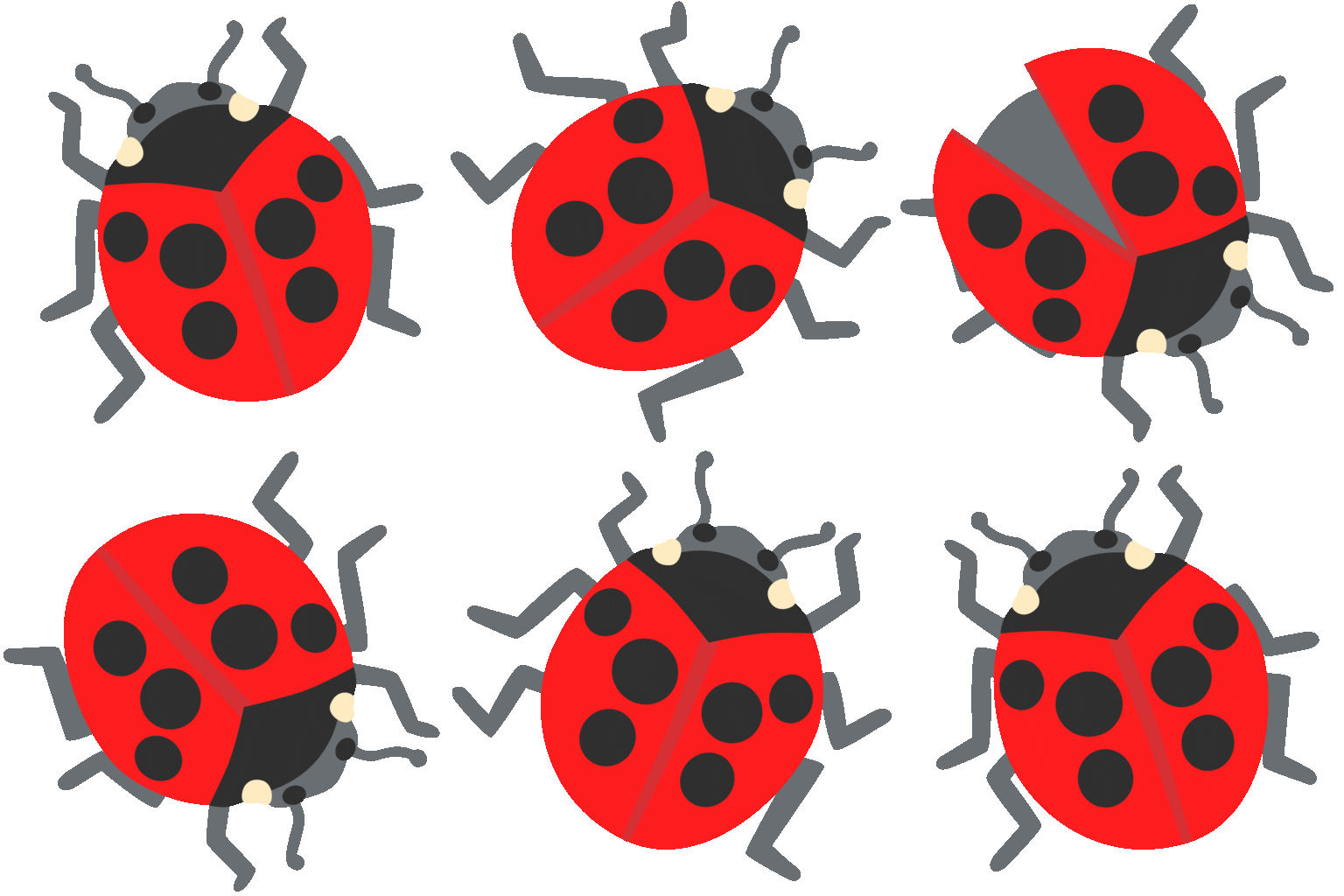
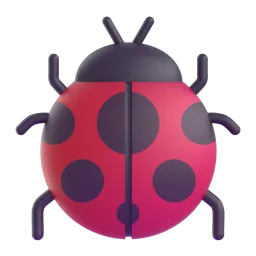
Represents ladybugs, often associated with good luck, protection, and spring. Can be used in contexts related to nature, gardening, or positive vibes. On some platforms, it may appear more cartoonish than others.
The term 'bug' can refer to insects or a glitch in technology. This guide covers both interpretations, providing emojis for creepy crawlies and digital errors. Whether you're discussing nature, software development, or just trying to be humorous, these emojis can add clarity and personality to your messages. Understanding the context is key to using these emojis effectively. For example, the lady beetle emoji is often associated with good luck, while the ant emoji might represent hard work or a colony. The computer bug emoji is perfect for tech-related conversations, while the other insect emojis can be used to discuss nature, gardening, or even phobias. Choose the emoji that best fits your intended meaning and audience.
Copy most popular emojis with one click
Fun mashups created by combining Bug emojis with Emoji Kitchen. Download and use them freely.
Help grow the Bug collection! Suggest emojis or symbols you think are missing and contribute to the community.
💡 Missing an emoji/symbol?
Represents ladybugs, often associated with good luck, protection, and spring. Can be used in contexts related to nature, gardening, or positive vibes. On some platforms, it may appear more cartoonish than others.
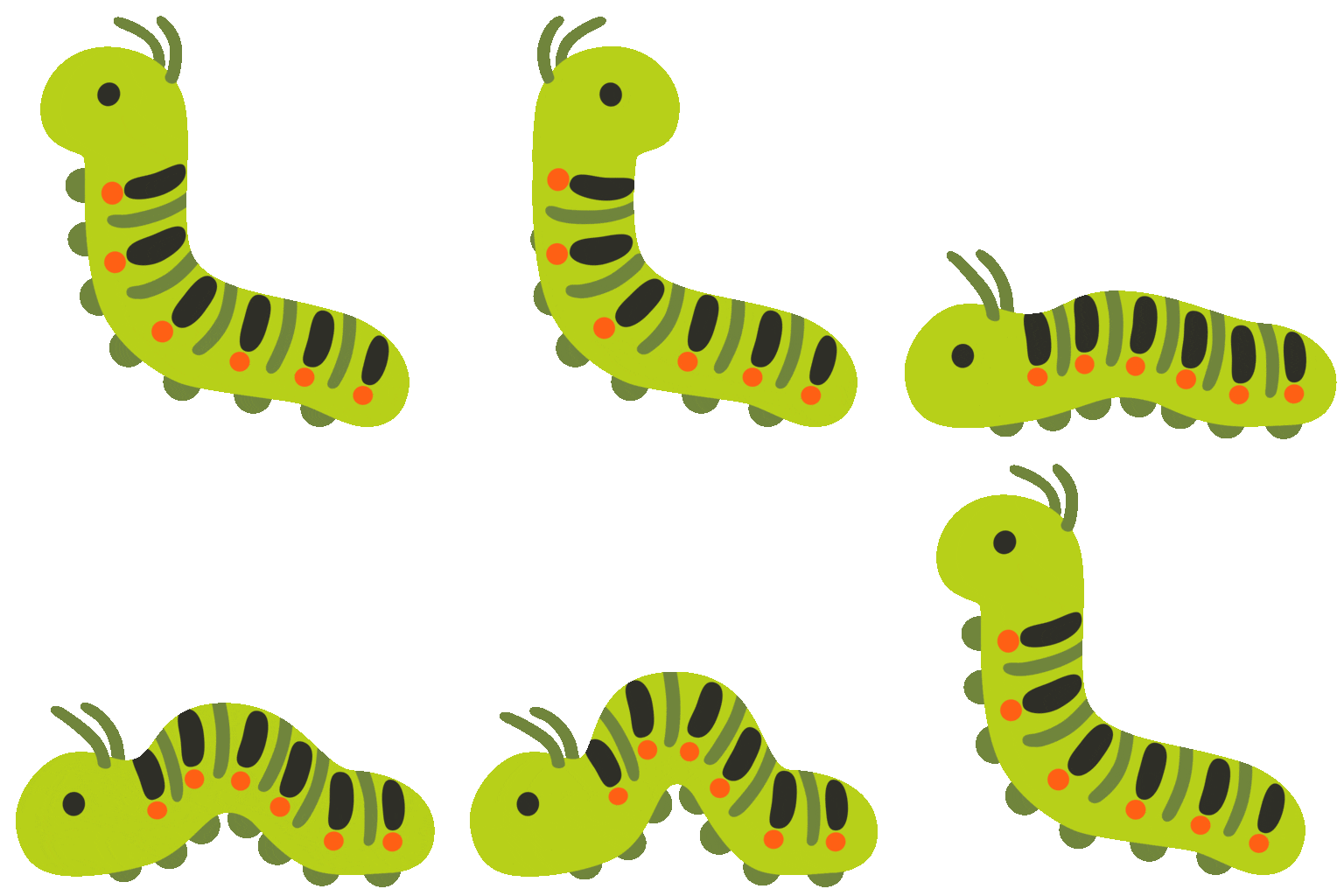
Represents a generic bug or caterpillar. Often used to depict insects, nature, or the process of transformation (like a caterpillar turning into a butterfly). The appearance varies across platforms, from realistic to more stylized.
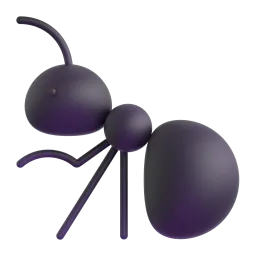
Represents ants, often associated with hard work, teamwork, and diligence. Can be used in contexts related to nature, colonies, or industriousness. Some platforms show more detail than others.
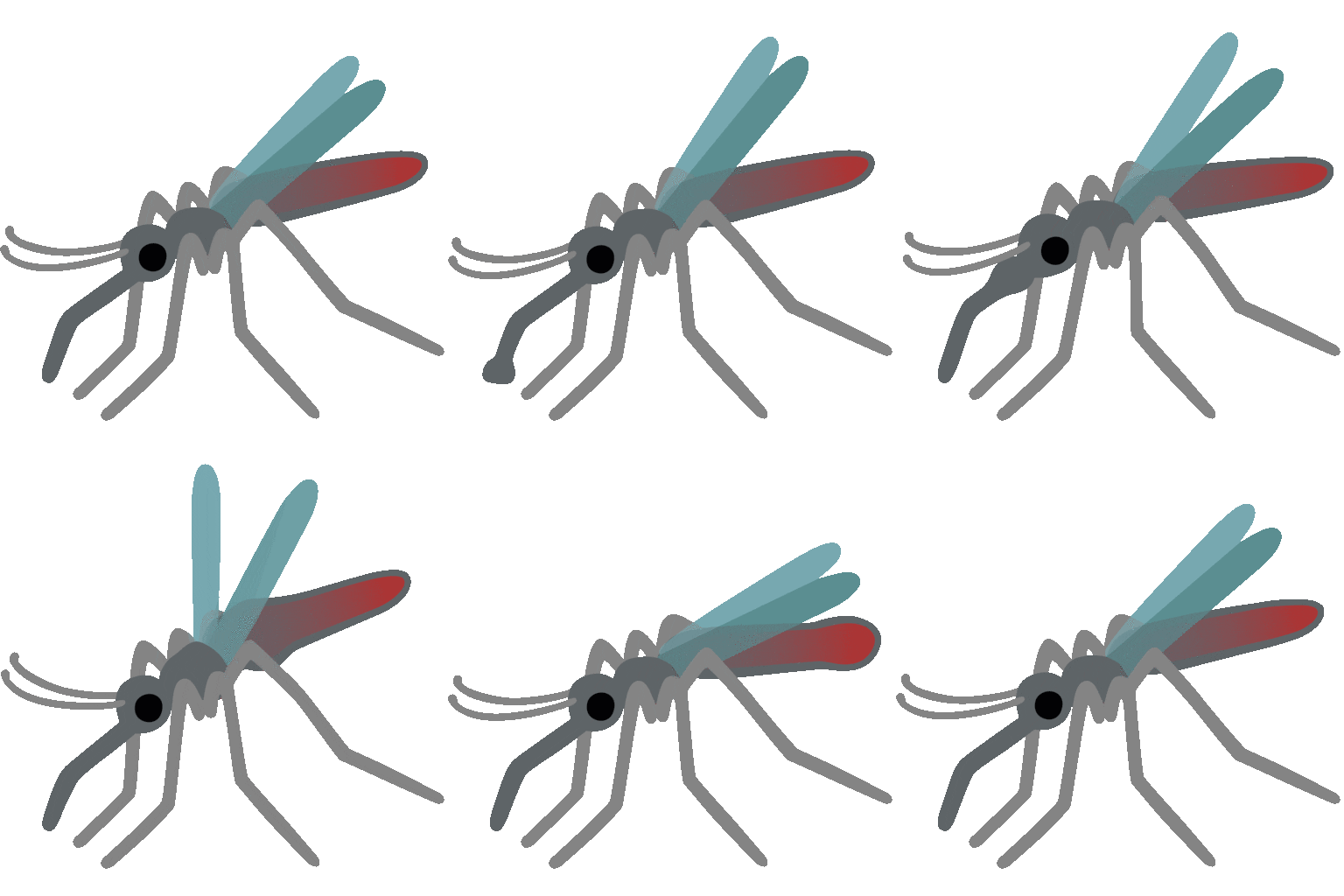
Represents mosquitoes, often associated with annoyance, disease, and summer. Can be used in contexts related to health, travel, or complaining about insect bites. The emoji is relatively new and may not be supported on older devices.
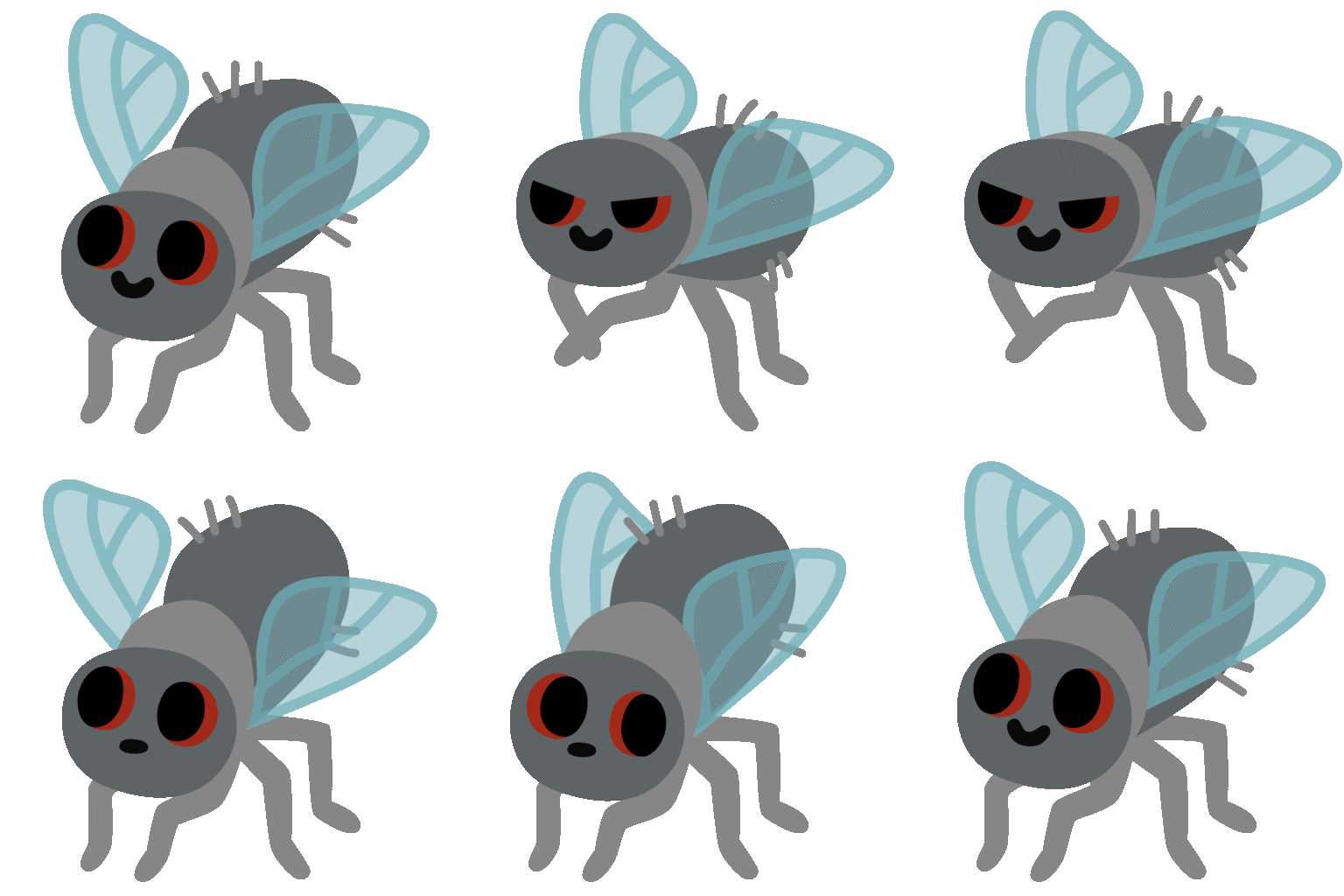
Represents flies, often associated with dirt, decay, and annoyance. Can be used in contexts related to hygiene, pests, or expressing disgust. The appearance is generally consistent across platforms.
Represents a laptop computer. While not a bug itself, it's the device where software bugs are often encountered. Can be used in discussions about technology, programming, or computer problems.
Represents a gear or cogwheel. Can symbolize machinery, processes, or, metaphorically, a 'cog in the machine'. In the context of bugs, it can represent something not working correctly within a system.
Noto Animated
Apache 2.0
Noto Animated
Apache 2.0
Noto Animated
Apache 2.0
Noto Animated
Apache 2.0
Noto Animated
Apache 2.0
ℹ️ All images shown are from open-licensed sources (Apache 2.0, MIT, CC-BY 4.0, CC BY-SA 4.0) and are free to use.
Copy and share
Consider your audience and the context of your message when using bug emojis. A ladybug emoji is generally positive, while a fly emoji can be negative.
Be aware that bug emojis can look different across platforms (Apple, Google, Samsung, etc.). Test how they appear on different devices to ensure your message is clear.
Combine bug emojis with other relevant emojis to add emphasis and clarity. For example, use 💻🐛 to indicate a computer bug.
Avoid overusing bug emojis, as it can make your message look cluttered or unprofessional. Use them strategically to highlight key points.
While generally understood, some insect emojis may have different cultural connotations. Research if necessary, especially when communicating with people from different backgrounds.
This content was created with AI technology, enriched with Unicode Consortium data and community contributions. AI Disclosure →