Cigarette Emoji
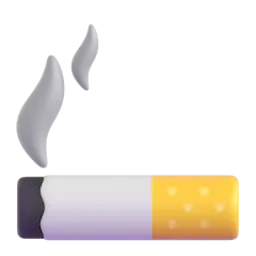
Represents smoking and nicotine addiction. Can be used to depict the act of smoking, the desire for a cigarette, or the struggle to quit. On some platforms, it may appear as a cigarette in an ashtray.
Addiction is a complex issue with various facets, and while emojis can't fully capture its depth, they can be used to represent different aspects of the struggle, recovery, and support systems involved. This guide explores how to use emojis to communicate about addiction responsibly and sensitively. It's crucial to remember that addiction is a serious topic, and emojis should be used thoughtfully to avoid trivializing the experience of those affected. We'll cover emojis that represent specific substances, the feeling of being trapped, the process of breaking free, and the importance of support and recovery. Consider the context and audience when using these emojis, and always prioritize empathy and understanding.
Copy most popular emojis with one click
Fun mashups created by combining Addiction emojis with Emoji Kitchen. Download and use them freely.
Help grow the Addiction collection! Suggest emojis or symbols you think are missing and contribute to the community.
💡 Missing an emoji/symbol?
Represents smoking and nicotine addiction. Can be used to depict the act of smoking, the desire for a cigarette, or the struggle to quit. On some platforms, it may appear as a cigarette in an ashtray.
Represents medication or drug use, which can be associated with addiction. It can symbolize prescription drug abuse or the need for medication to manage withdrawal symptoms. The appearance varies across platforms, showing different colored pills.
Symbolizes the emotional pain and heartbreak often associated with addiction, both for the individual struggling and their loved ones. It can represent feelings of loss, sadness, and despair. The design is consistent across platforms, depicting a red heart broken in two.
Represents the feeling of being trapped or bound by addiction. It symbolizes the lack of control and the difficulty of breaking free from the cycle of substance abuse. The visual representation is generally consistent across platforms, showing metal links.
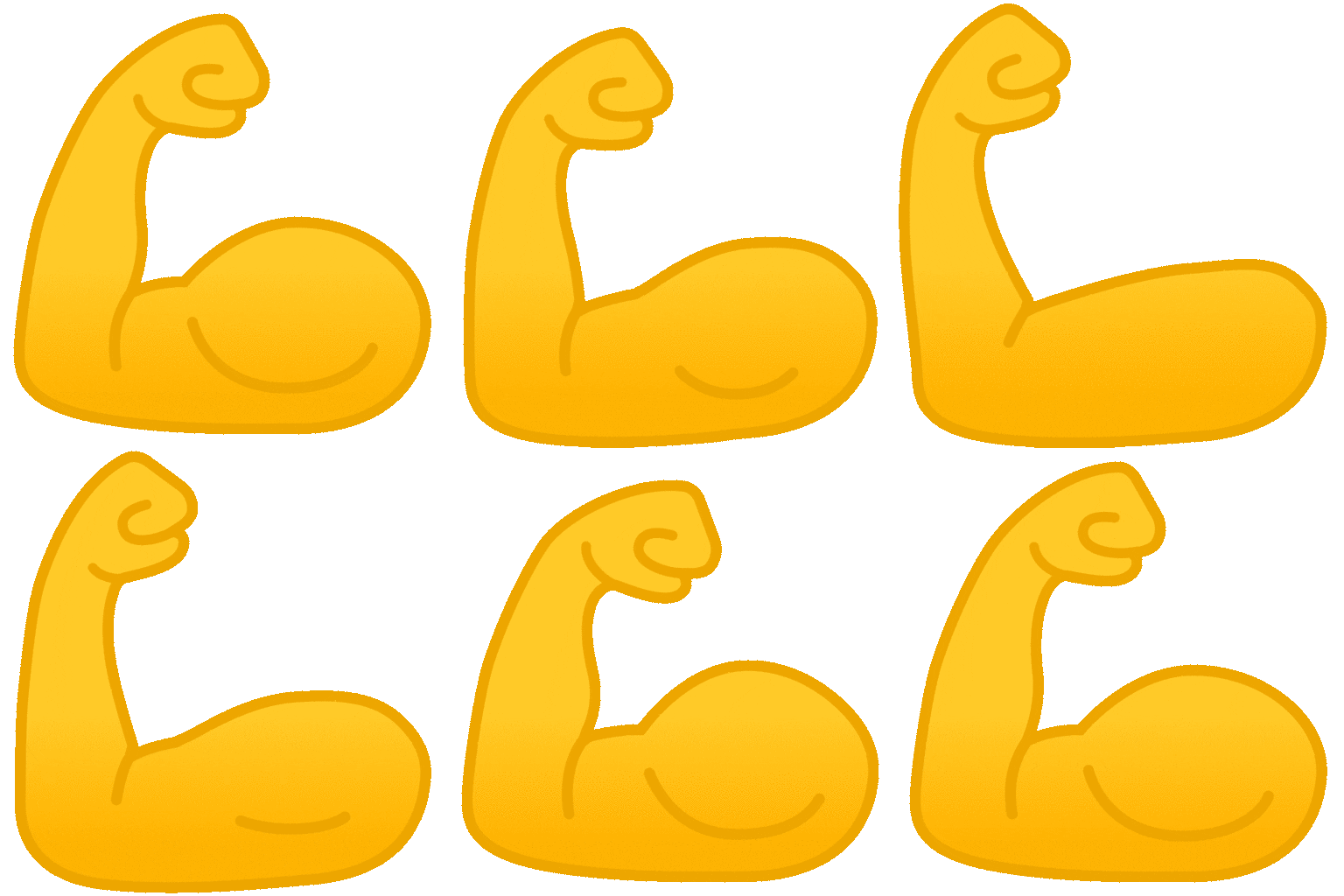
Represents strength, resilience, and the effort required to overcome addiction. It symbolizes the determination and willpower needed for recovery. The arm's muscle definition and skin tone vary slightly across platforms.
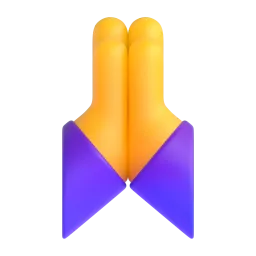
Represents prayer, hope, and seeking help or support. It can symbolize the spiritual aspect of recovery or the reliance on a higher power for strength. The appearance is similar across platforms, showing two hands pressed together.
Represents support, comfort, and connection. It symbolizes the importance of social support in the recovery process. This emoji highlights the value of human connection and empathy during difficult times.
Noto Animated
Apache 2.0
Noto Animated
Apache 2.0
Noto Animated
Apache 2.0
Noto Animated
Apache 2.0
ℹ️ All images shown are from open-licensed sources (Apache 2.0, MIT, CC-BY 4.0, CC BY-SA 4.0) and are free to use.
Copy and share
Always consider the context and audience when using addiction-related emojis. Avoid using them flippantly or in a way that could be insensitive.
Be aware that emoji appearances can vary across platforms (Apple, Google, Samsung, etc.). Test how your message looks on different devices to ensure clarity.
Combine emojis to create more nuanced and specific messages. For example, use 💪 + 🌱 to represent the strength and growth of recovery.
Emojis are most effective when used in conjunction with text. Provide context and clarity to avoid misinterpretation.
Remember that addiction is a serious issue. Approach the topic with empathy and respect, and avoid using emojis in a way that could be harmful or offensive.
This content was created with AI technology, enriched with Unicode Consortium data and community contributions. AI Disclosure →